Rice water for skin is mostly tradition wearing a lab coat. The strained starch liquid has centuries of hair history behind it, while the published clinical research on rice tests purified rice bran compounds in engineered formulas, not the liquid from a home pot. A few kitchen ingredients do carry real trial data.
Virgin coconut oil and colloidal oatmeal hold the strongest human evidence. Rice water sits at the other end: documented as a ritual, barely tested as a treatment. That gap matters when a label leans on it. We covered a connected angle in Long-Term Review: Do Cult-Favorite Serums Hold Up?.
What Is Rice Water, Exactly?
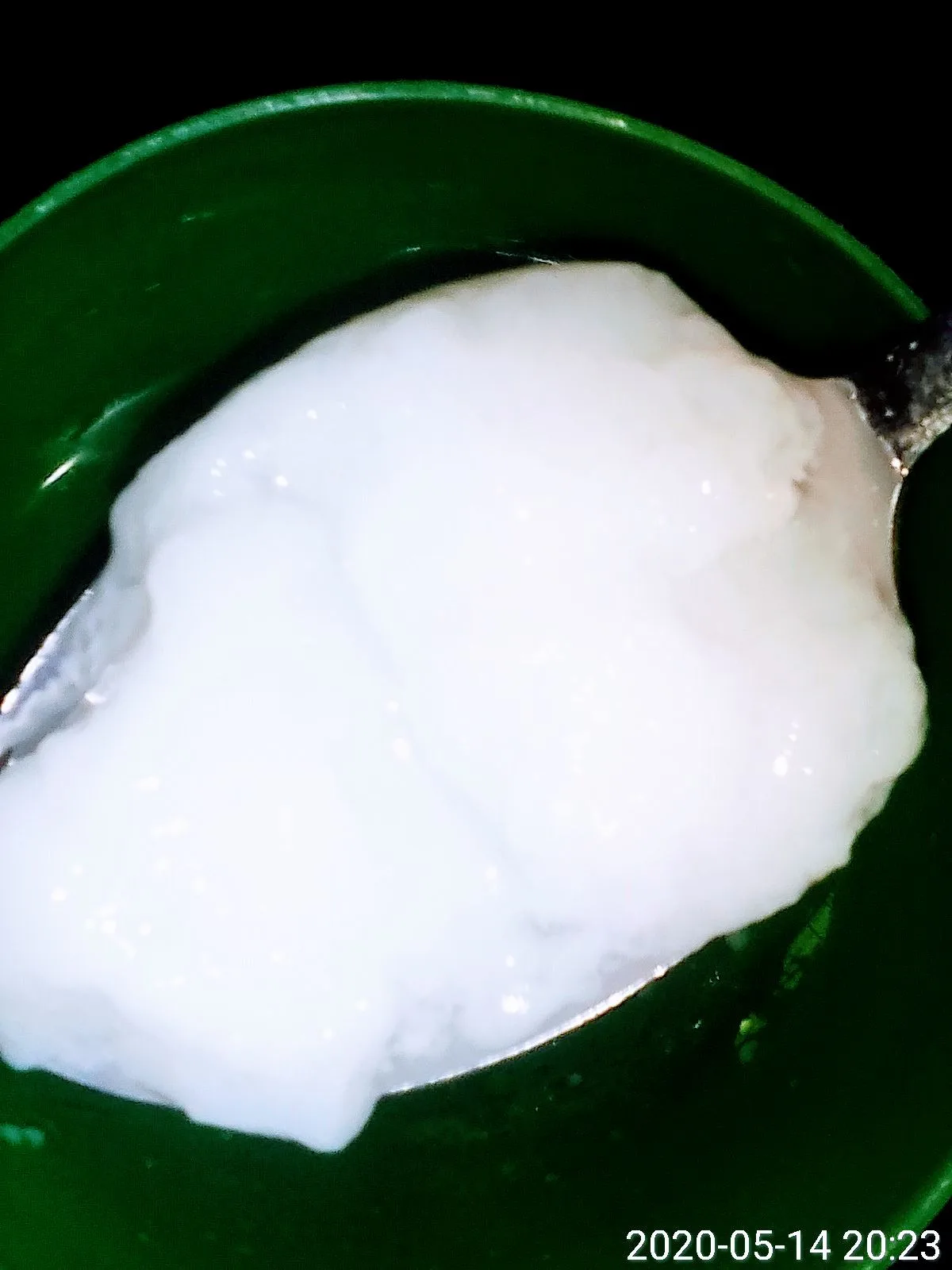
Rice water is a suspension of starch obtained by draining boiled rice or by boiling rice until it dissolves, per Wikipedia's summary. The definition puts it closer to cooking water than to a serum. The beauty record is long but specific: women across China, Japan, and Southeast Asia have applied it as a hair treatment for hundreds of years, and the practice traces to Japan's Heian period, from 794 to 1185. The skin version of that story is mostly modern marketing.
Does Any Clinical Research Back the Rice Claims?
The clinical data that exists belongs to rice bran, the oil-rich outer layer of the grain. In a study published in Pharmaceutical Biology, researchers in Thailand tested gels and creams packed with rice bran compounds: ferulic acid, a plant antioxidant, plus gamma-oryzanol and phytic acid, inside niosomes, tiny shell-like delivery structures. Thirty volunteers wore the formulas for 28 days, and the team measured gains in hydration, lightening, roughness, and elasticity. The study didn't test rice water from a pot. Even the screening was deliberate: the formulas went through a 72-hour closed patch test first, with no signs of redness or swelling.
Which Kitchen Ingredients Have Real Trial Data?
Two pantry names show up in human testing, and neither one is rice. Readers following this should also see Squalane vs. Hyaluronic Acid: Which Humectant Fits Your Skin?.
- Virgin coconut oil: in a randomized, double-blind trial published in 2014, 117 children with mild to moderate atopic dermatitis, a common inflamed-skin condition, used it for eight weeks. Severity scores on the SCORAD scale, a standard atopic dermatitis index, fell 68.23 percent against 38.13 percent for mineral oil. The oil group's skin also held more water on instrument measures.
- Colloidal oatmeal: a 2020 review by Allais and Friedman in the Journal of Drugs and Dermatology credits it with anti-itch and barrier-repair properties, plus skin pH benefits, from a long record in dermatologic care.
- Honey: the strongest papers describe medical-grade honey sealed into wound dressings, like a 2025 study in the International Journal of Biological Macromolecules that ran lab and animal tests of a honey-loaded dressing. The jar in the pantry is not that product.
How to Try Rice Water Without Guessing
The pantry version comes with no dosage and no preservative, so the plan is food safety plus a patch test.
- 1. Strain it, chill it, and treat it like perishable food. A starch suspension spoils fast, and nothing in the jar stops that.
- 2. Copy the study screening. Dab a little on your inner forearm, wait a day, and check for redness or itching before it goes near your face.
- 3. If your skin barrier is already unhappy, flaking, stinging, or tight after water, keep the routine boring and skip the experiment.
- 4. Expect a rinse-off ritual, not a treatment. No published trial defines a rice water dose, frequency, or result.
Conclusion: A Ritual First, a Treatment Maybe Later
Rice water has earned its place in beauty history. It has not yet earned a claim. The rice research that could matter tests purified bran compounds in engineered formulas, and the kitchen ingredients with real human data are coconut oil and colloidal oatmeal. If a label leans on rice, read whether it names rice bran extract or plain rice water, and whether any claim points to a named study. The pot at home is not the trial product.