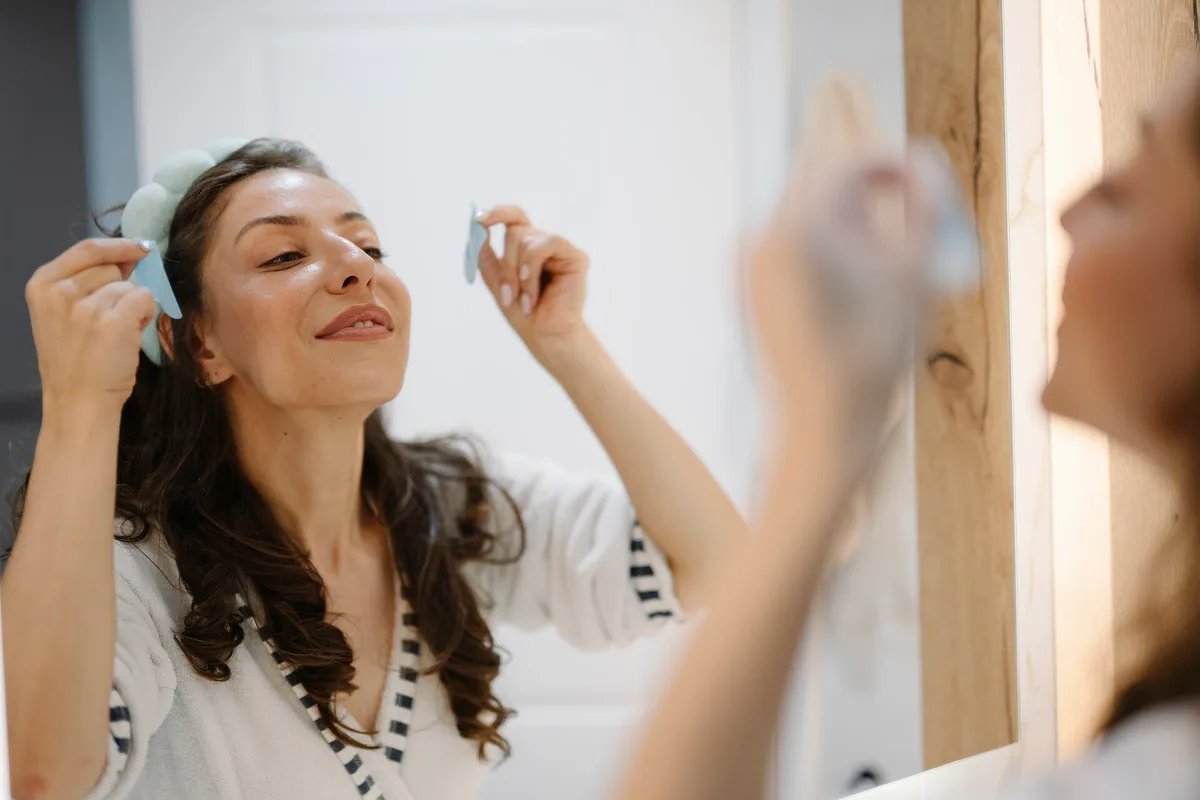
Skincare
Morning vs Night: Why Your AM and PM Skincare Routines Differ
Daytime skincare is mostly defense. Nighttime is where the active work happens — and mixing the two up wastes product.

The job is less about painting faces and more about managing skin, light, and time.
How to read red-light claims, device evidence and FDA clearance without confusing one for another.
What earned shelf space after the testing desk finished with it.
Daytime skincare is mostly defense. Nighttime is where the active work happens — and mixing the two up wastes product.

Check board credentials, ask smart consultation questions, and know the red flags before booking a skincare physician.
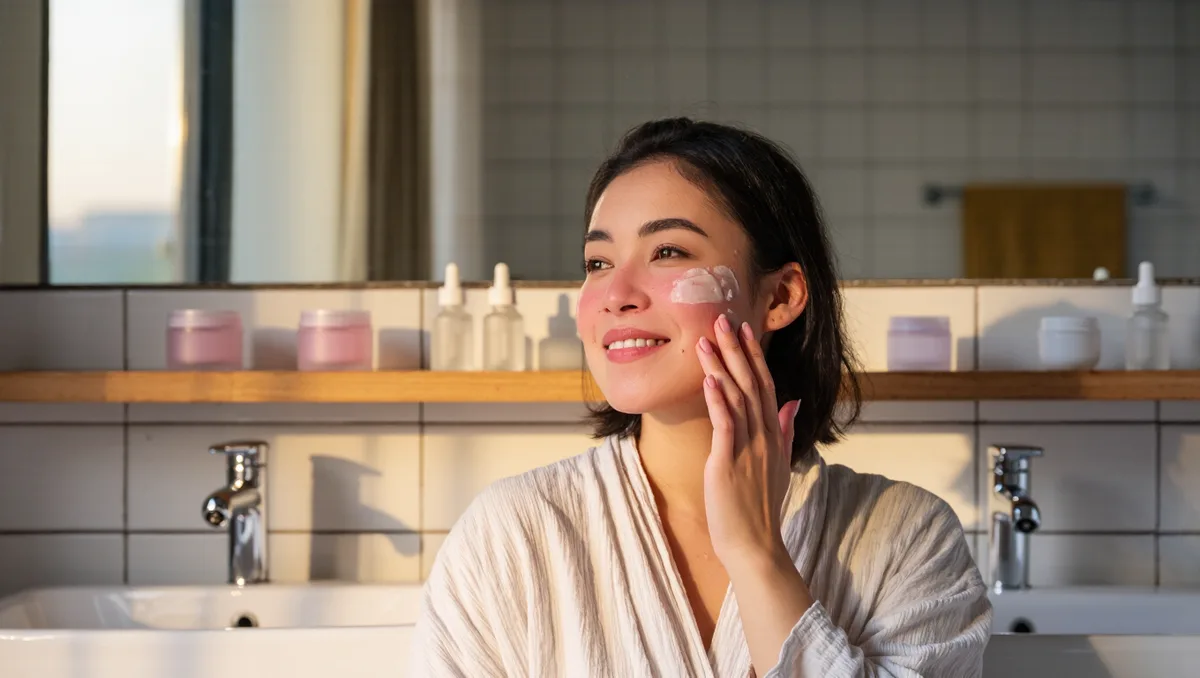
Humidity, wind, and indoor heat all shift how a barrier-friendly routine behaves. Here is how to transition without starting over.

A fast, repeatable sequence that separates the steps that matter from the steps you can skip.
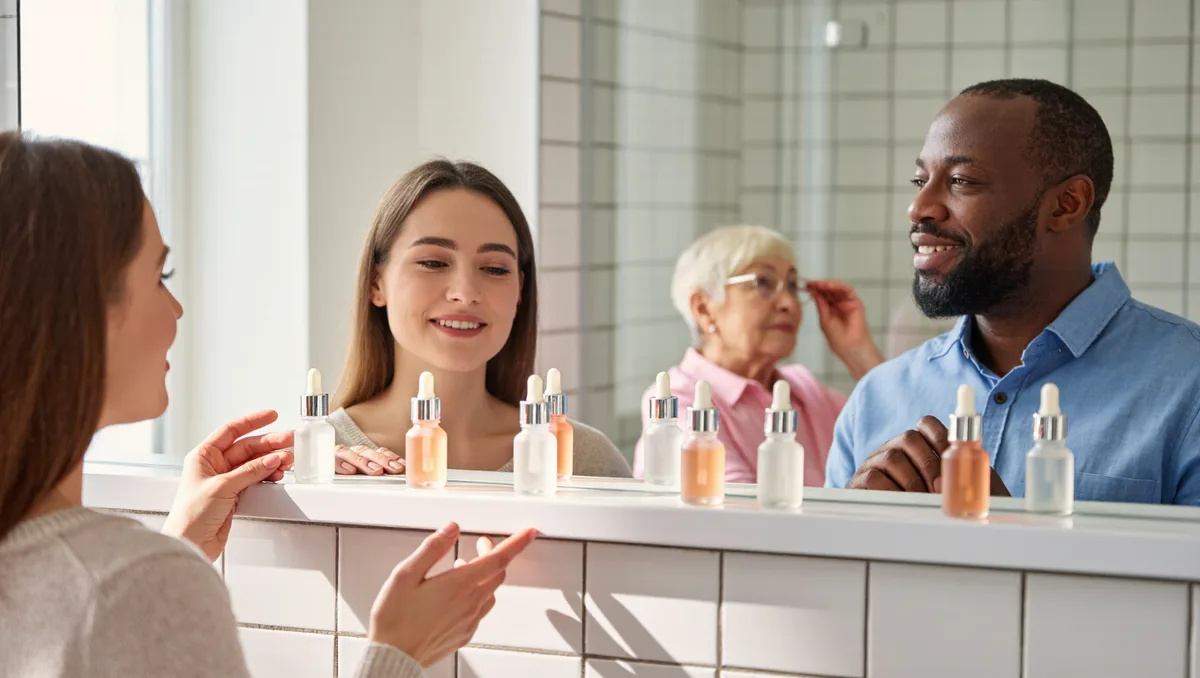
Lighting, mirrors, and storage layouts that turn a spare corner into a working beauty station.
Why your face washes out in flash photos, and the texture choices that keep skin looking like skin on camera.
Refurbished hair dryers and styling irons can be a real bargain — if the warranty survives the resale.
Six months is long enough for a serum to prove something. Here is what to actually check before you rebuy.
The sticker fee is the smallest number on the page. Here is how to work out what a box really costs per usable product.

Milan Fashion Week traded the clean girl for smudged liner, wine-dark blush and hair that looks slept in. Here is what each trend actually asks of your makeup bag.
The Modernization of Cosmetics Regulation Act's facility-registration and listing requirements are now enforced — fragrance disclosures follow in 2026-2027.
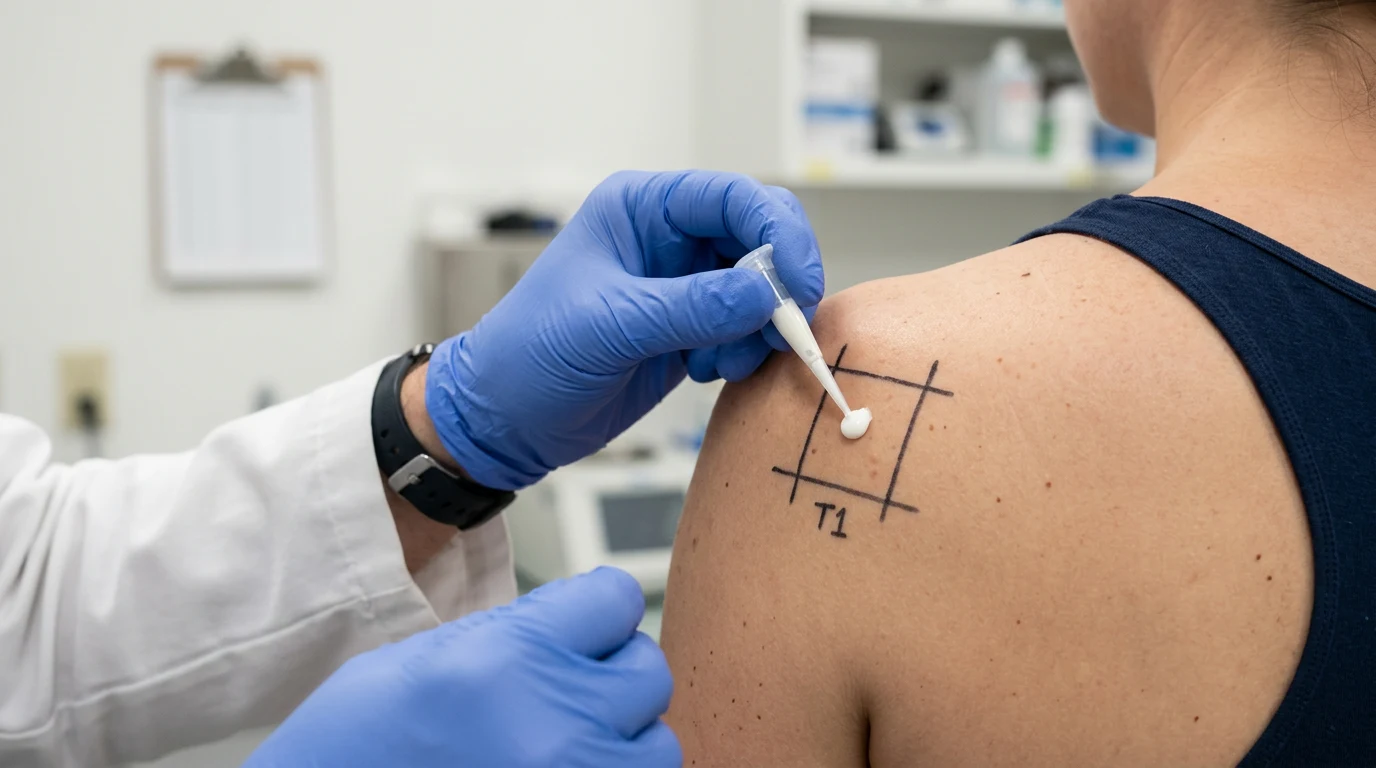
Every sunscreen bottle carries a number that sounds like a lab reading: SPF 30, SPF 50, SPF 70.

The name on the bottle is not always the company that made, sold, or profits from it. Here is how beauty licensing actually works.
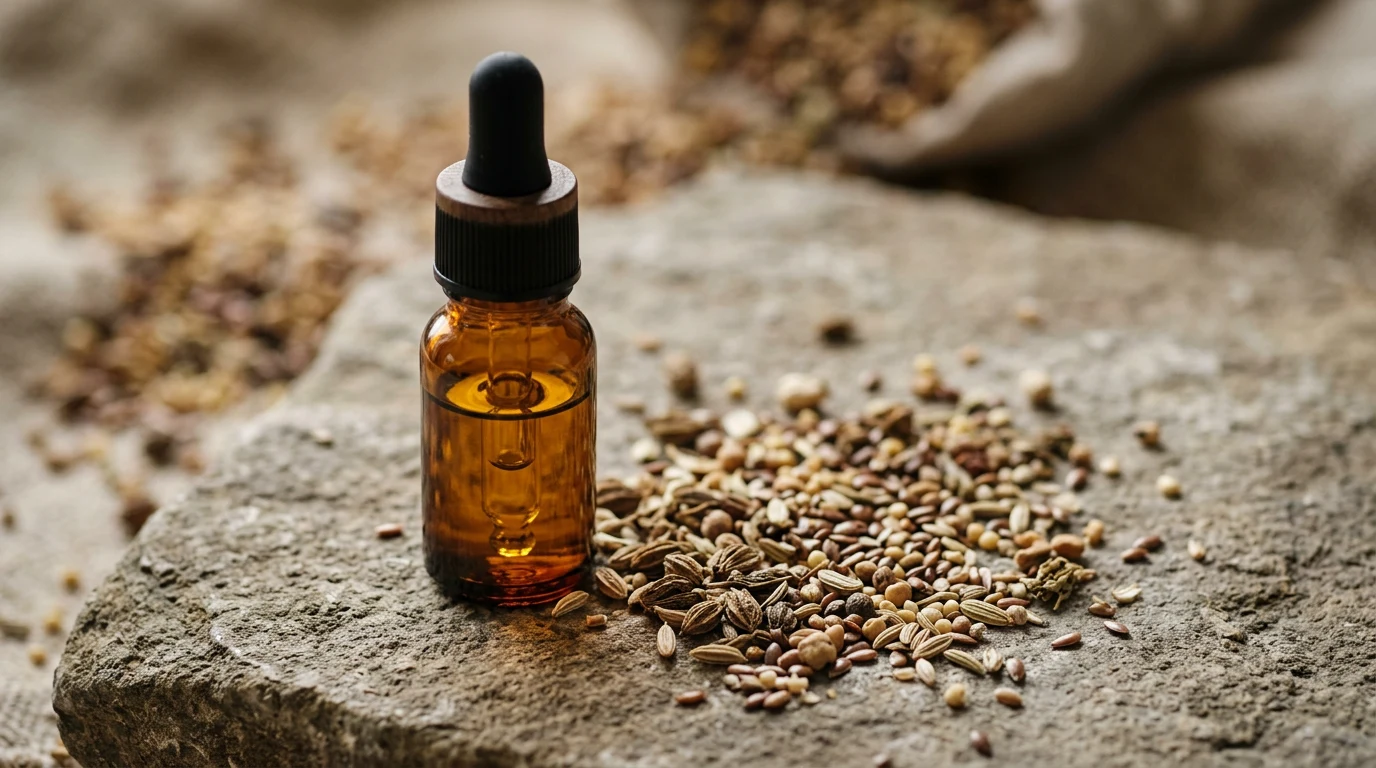
Bakuchiol is a plant-derived compound, extracted from the seeds and leaves of Psoralea corylifolia , that reduced wrinkles and hyperpigmentation about as effectively as retinol while causing less scaling and…

The two-year registration clock created by a 2022 cosmetics law is now coming due, and the FDA's own numbers show how much of the industry is still catching up.
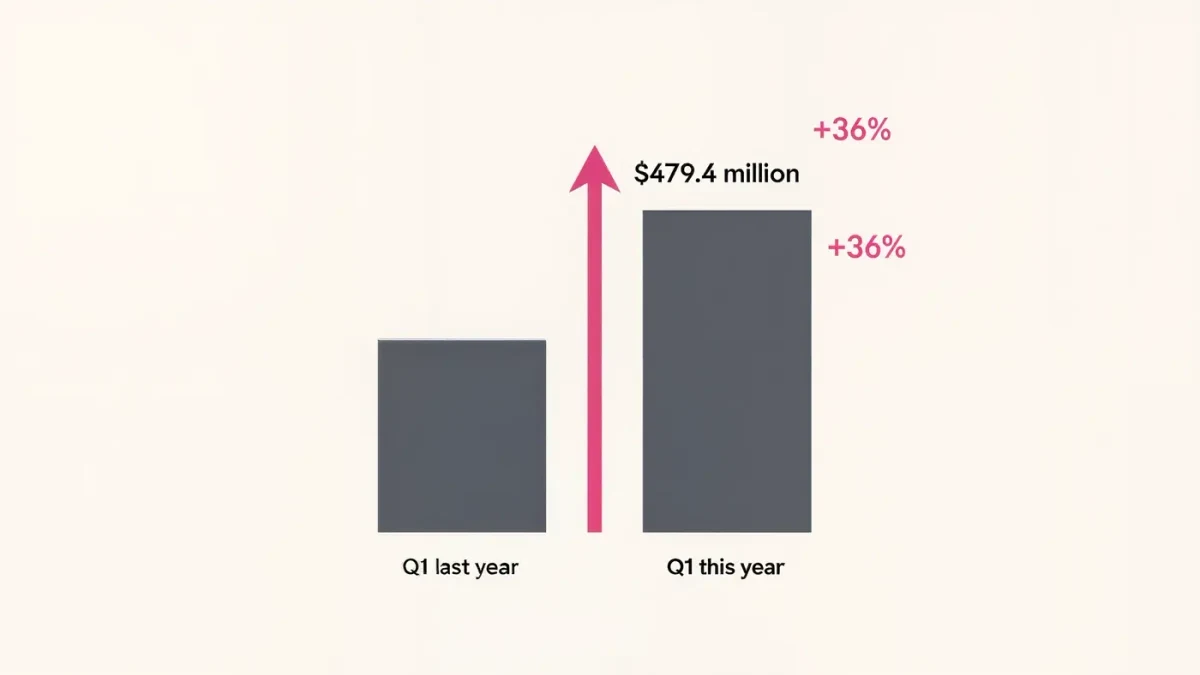
Net sales jumped 36 percent to $479.4 million in the first quarter of fiscal 2027, and Hailey Bieber's brand is a bigger part of the story than the price tag suggested.
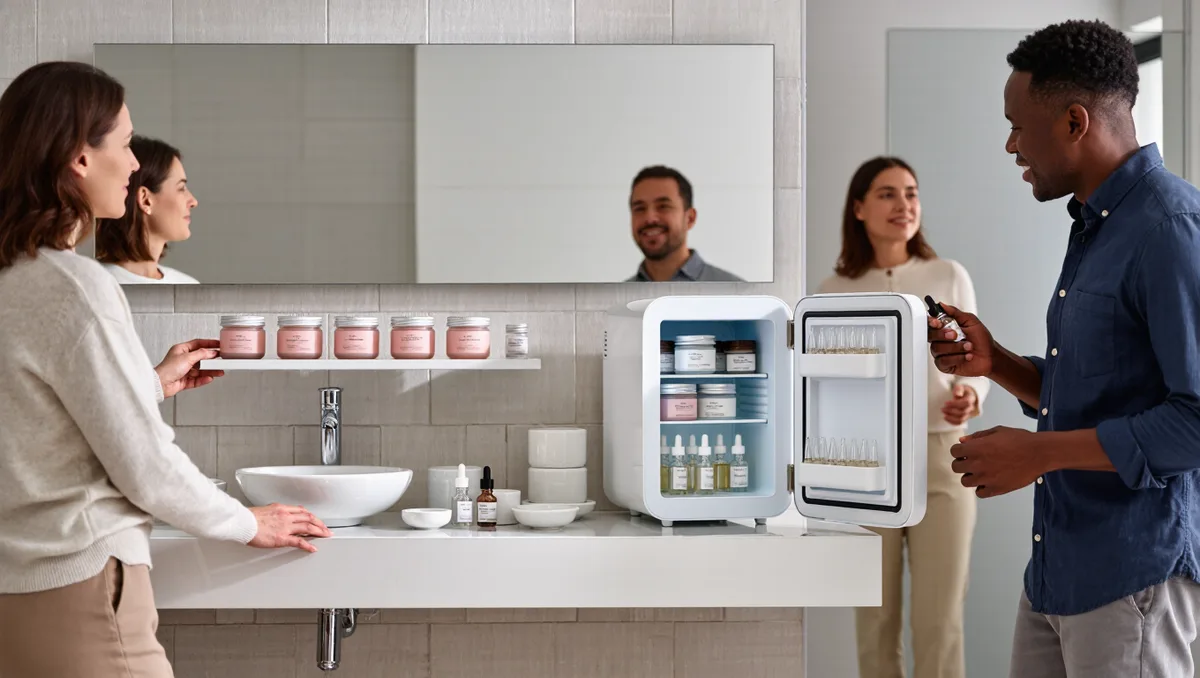
Chilling your serums feels like self-care. Here is what cold storage can and cannot do for a formula.
Why layering order matters, and a simple sequence that works from cleanser to SPF.
Three or four well-chosen products can do more for your skin than a crowded ten-step shelf — here's how to pick them.
Why under-eye concealer settles into fine lines by afternoon, and the prep, formula, amount, and setting choices that keep it smooth.
Niacinamide is a form of vitamin B3 with documented effects on skin tone, barrier function, and oil — at the concentrations research actually tested.
Sunscreen works at the tested two-finger dose — the technique is making that dose coexist with foundation, not skipping it.
The FDA has approved just one 15% formulation, and only for rosacea, so here is what the mechanism research and the drug's own trial data actually show about acne and dark spots.
The FDA does not define either term, and the ingredient list stops ranking at 1 percent. A guide to which parts of a beauty label carry a standard behind them and which are a brand's own claim.