Slugging means sealing a nighttime routine with a thin layer of petrolatum, and dermatology's verdict is narrower than the trend implies. Petrolatum is the most effective occlusive known, according to a Dermatology Times evidence review. The review measured it against every common rival. It cuts water loss by up to 98 to 99 percent. It holds moisture in. It adds none of its own.
A 2025 randomized trial from University of Granada researchers backs the core mechanic on real skin. The study, published in the Journal of Clinical Medicine, measured petrolatum on the forearms of 54 healthy volunteers. It lowered water loss and raised stratum corneum hydration. Who benefits most, and who should skip the trend, depends on skin type and the rest of the routine. We covered a connected angle in How to Layer Actives in Skincare Without Wrecking Your Skin Barrier.
What Is Slugging, Exactly?
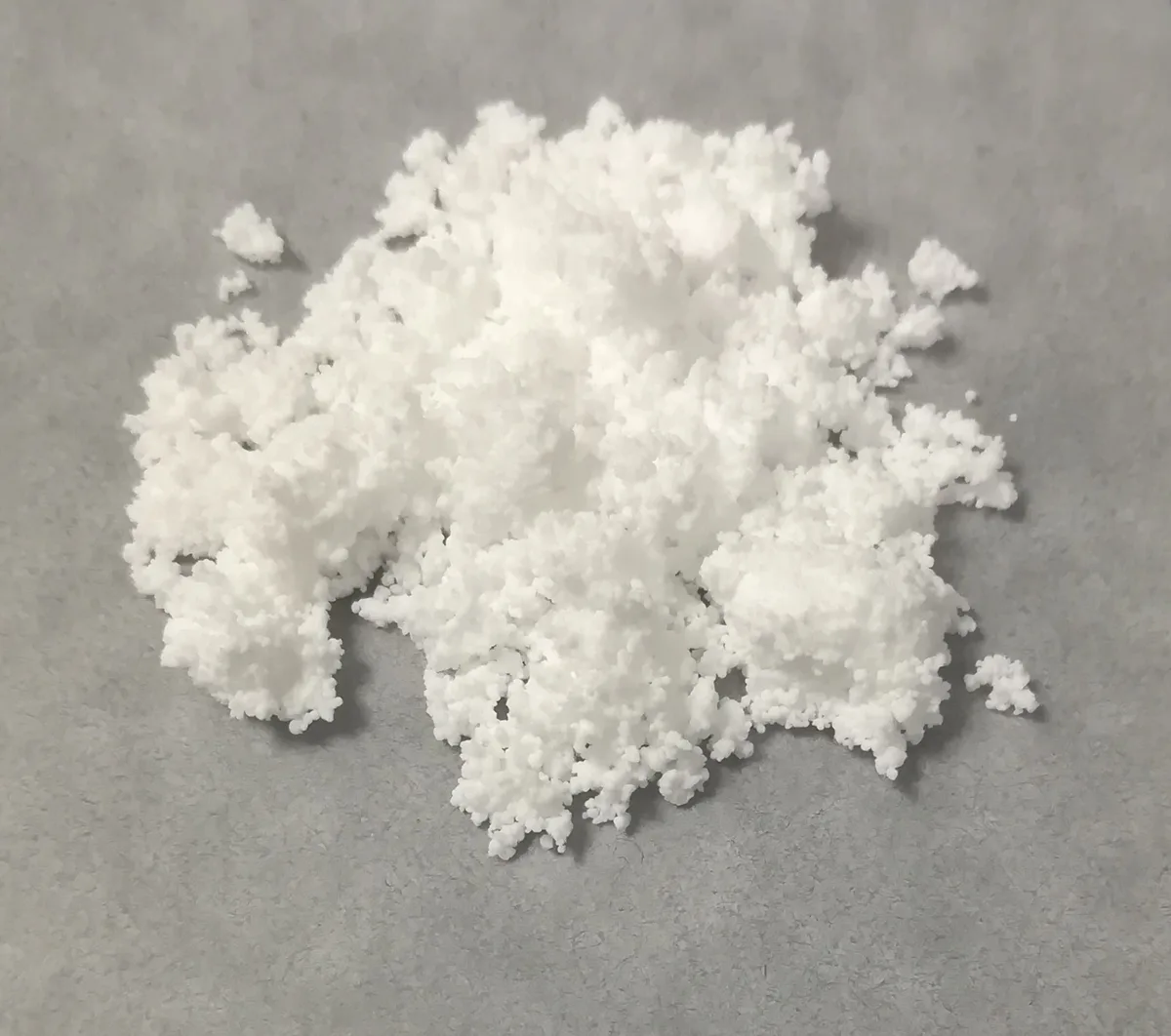
Slugging, per Dermatology Times, means a generous final layer of a petrolatum-based product at night. The layer stays on until morning. The name comes from the shiny, trail-like sheen it leaves. Think of it as a face-night mask with one job. Petrolatum itself is a semi-solid mix of hydrocarbons from petroleum refining. Its molecules are too large to enter skin. The film works entirely at the surface.
What Does the Evidence Show About Occlusion?
Three findings repeat across the record. First, petrolatum on healthy skin cut water loss by about 46 percent within 40 minutes. Comparable low- and high-lipid creams managed roughly 16 percent over the same window, per the review. Second, in the Granada trial, petrolatum reduced water loss and lifted surface hydration. It outperformed olive oil on the same forearms. Third, occlusion can ramp up antimicrobial peptides tied to barrier repair, the review notes. The water-loss numbers count among the most replicated results in this field, per the review.
What Petrolatum Does Not Do
The limits matter as much as the numbers. Petrolatum is a purely occlusive agent, per Dermatology Times. It does not pull in water the way a humectant does. It does not refill intercellular lipids the way a ceramide cream aims to. Other common occlusives, like mineral oil, lanolin, and dimethicone, cut water loss by only 20 to 30 percent, which is why petrolatum sets the bar. The practice is not new in dermatology, either; viral popularity simply introduced it to a new group of patients.
Who Should Skip It?
Acne-prone skin needs a careful approach. Dermatology Times attributes flare risk to sebum, bacteria, or comedogenic products trapped under the film. Its mitigation list is short: cleanse first, limit petrolatum to dry patches, and skip active lesions. The review also cautions that petrolatum should not replace ceramide-based moisturizers or prescribed anti-inflammatory treatment. It seals. It does not treat. The skin decides who wins here.
How Do You Slug Without Trapping Trouble?
The method is simple, and the order matters.
- 1. Cleanse, then apply your regular nighttime routine to slightly damp skin.
- 2. Give actives a minute to settle.
- 3. Smooth a thin petrolatum layer over dry zones, not the whole face by default.
- 4. Skip active breakouts and oily areas.
- 5. Cleanse as usual in the morning.
Price needs no myth of its own. The review finds inexpensive white petrolatum functionally equivalent to premium slugging balms on occlusive performance. Extra ingredients raise that risk the most, so simple is safer here. The trend's marketing, in short, costs more than its chemistry. The review even names a $3 drugstore jar of white petrolatum as the benchmark. A basic jar costs little and seals the same.
Conclusion: A Seal, Not a Treatment
Slugging has a real evidentiary core. Petrolatum is a proven water-loss blocker, and dry, sensitized, post-procedure, and atopic dermatitis skin stands to gain the most, per Dermatology Times. The overclaim is treating a sealant as an active. It locks in what a routine already delivered. For some skin types, it locks in trouble too. The seal works. The claims around it often do not. Readers following this should also see Urea Cream for Very Dry Skin: How It Works and What Strength to Pick.