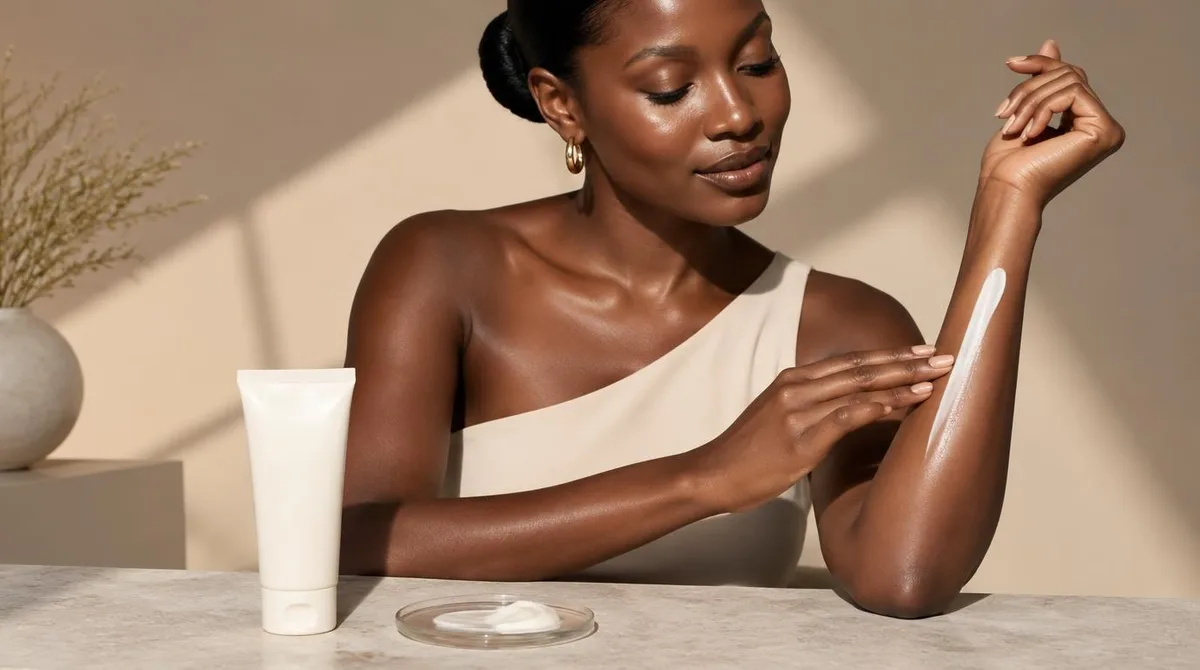
Black Girl Sunscreen built its reputation on a real problem: many sunscreens leave a gray or purple cast on deeper skin tones. Whether a specific formula lives up to the hype depends on things the label can tell you — the active filters, the texture claims, the finish — and things it can't, like how it wears on your skin through a humid afternoon. This piece walks through how to judge it on identical terms, the way we judge every sunscreen in our reviews archive.
The honest answer up front: we haven't lab-tested this brand, and no independent testing body in our evidence supplies wear or cast data for it. So instead of a verdict we can't support, here is the framework a label-reader needs. It works for this brand and for any sunscreen marketed toward melanin-rich skin.
Why does sunscreen often leave a white cast on deeper skin?
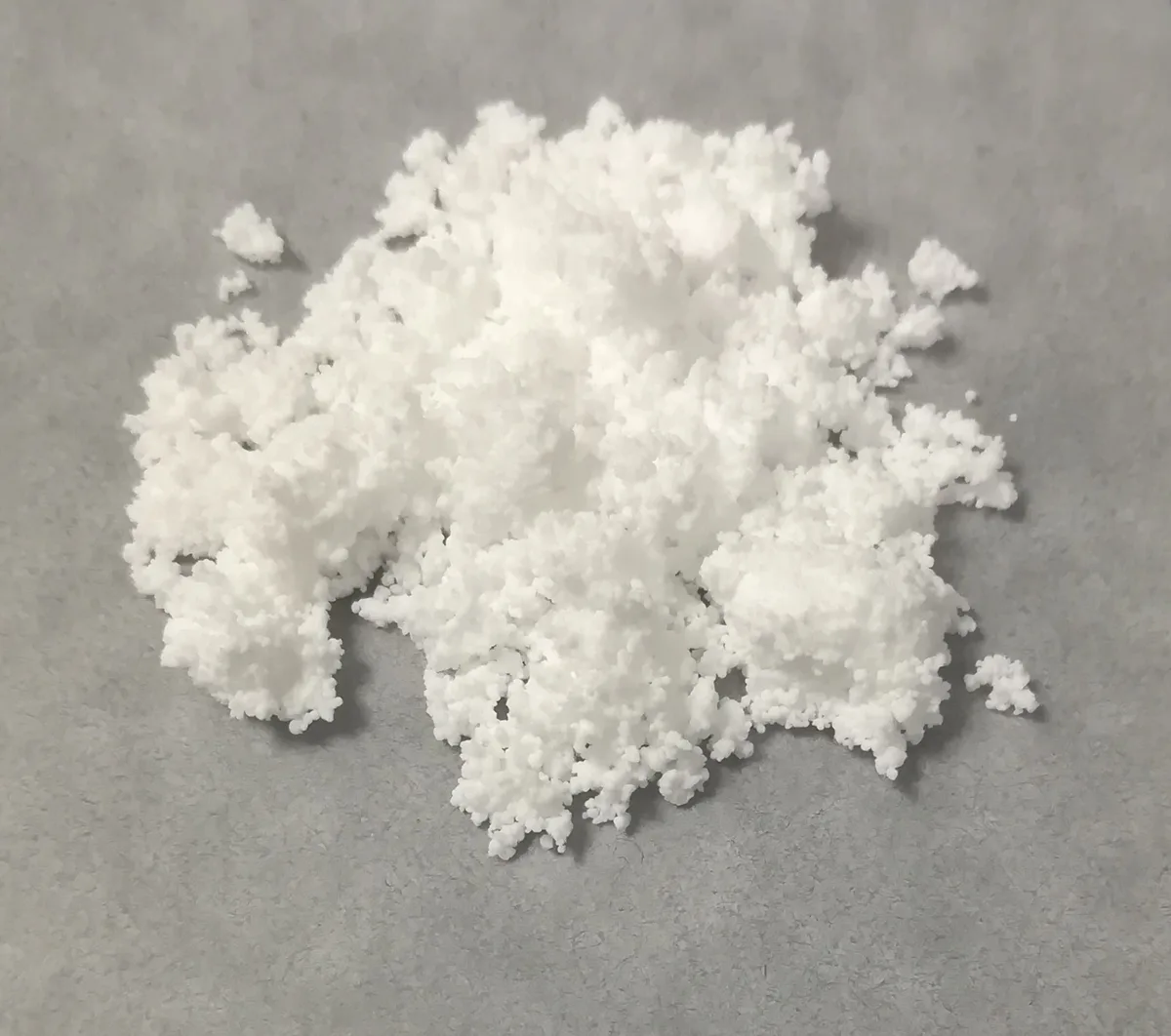
White cast comes from the physical filters. Mineral sunscreens use zinc oxide and titanium dioxide. These are white powders suspended in the formula, and they sit on top of skin to deflect light. On pale skin the residue reads as a soft blur. On deep skin it can read chalky or ashy.
Chemical filters work differently. Ingredients like avobenzone, octisalate, and homosalate absorb UV light and convert it to heat. They dissolve into the formula, so they leave little to no visible residue. That is the single biggest structural reason a chemical sunscreen tends to disappear on deeper tones.
Formulators also fight cast with tint. An iron-oxide tint can neutralize the white base of a mineral filter. Some brands offer "sheer" or "invisible" mineral versions that use smaller particle sizes. The trade-off, which we cover in our mineral-versus-chemical comparison, is that smaller particles can mean weaker visible protection on the label's own terms. We covered a connected angle in Mineral vs. Chemical Sunscreen: Which One Should You Actually Buy?.
What should you check on the ingredient list first?
Start with the Drug Facts panel, not the front of the box. The active ingredients and their purpose are listed there. That panel tells you whether you're holding a mineral, a chemical, or a hybrid formula. Everything else — the texture, the scent, the finish — flows from that choice.
Next, scan the first five to eight inactive ingredients. They appear in descending order of concentration, so they sketch the texture. Emollients and oils early in the list usually mean a richer feel. Silicones and fast-absorbing esters early usually mean a slicker, more makeup-friendly base. Water high on the list signals a lotion or gel-cream rather than a balm.
Then check for fragrance and essential oils. If your skin is reactive, a fragrance-free formula is the safer default, though the two labels are not identical — we break down that difference in our guide to fragrance-free versus unscented claims. Marketing words on the front, like "clean" or "radiance," carry no defined meaning on a cosmetic label. The ingredient list is the only part that is regulated language.
How do you judge wear under makeup without testing it yourself?
You can predict a lot from the formula type. A silicone-forward lotion generally sits well under foundation because silicones create a smooth, grip-friendly film. A heavier cream with plant oils early in the list may pill under a sponge or slide under a long-wear base. Our comparison of silicone versus water-based primers explains the same film-forming logic, and it applies directly to sunscreen. Readers following this should also see Silicone vs. Water-Based Primers: A Comparison by Ingredient List.
Application technique matters as much as formula. Sunscreen needs a generous, even layer to deliver the protection on the label. Applying it in thin dots and rubbing hard can disturb the film. Pressing it in with a damp sponge, then waiting a few minutes before base makeup, gives the formula time to set. These are general technique points, not brand-specific claims.
What no ingredient list can tell you is how a formula interacts with your specific skin — your sebum level, your climate, your base products. That is where a personal patch test beats any review, including ours. Try it on a small area, on a low-stakes day, before it becomes your daily driver.
What this means for the price question
Price per use matters more than sticker price. A sunscreen you apply generously every day is a consumable, and a tube lasts weeks, not months. Divide the price by realistic uses, not by the fantasy of a pea-sized application. A sunscreen that disappears on your skin tone and wears well under makeup is worth more per ounce than a cheaper one you'll avoid wearing.
Also weigh the brand's purpose against its execution. A formula designed for deeper skin tones solves a genuine gap in a market that long ignored it. That mission is worth supporting when the formula itself holds up. It is not a substitute for the formula holding up. Check the actives panel every time, because reformulations happen and labels change.
How should you actually decide?
Read the Drug Facts panel first. Match the filter type to your priorities: chemical or hybrid for invisibility, mineral with tint for sensitive skin. Scan the inactive list for texture signals. Check fragrance if your skin is reactive. Then test wear on your own face, under your own makeup, before committing.
The word black, the brand's namesake, carries a long history — it traces through Middle English blak back to Old English, where it meant both dark and ink, according to Wiktionary. A brand name that direct is refreshing in a category that usually hides behind vague promises. Hold the formula to the same standard: plain language, checkable claims, and a label that tells you what you're actually putting on your skin.