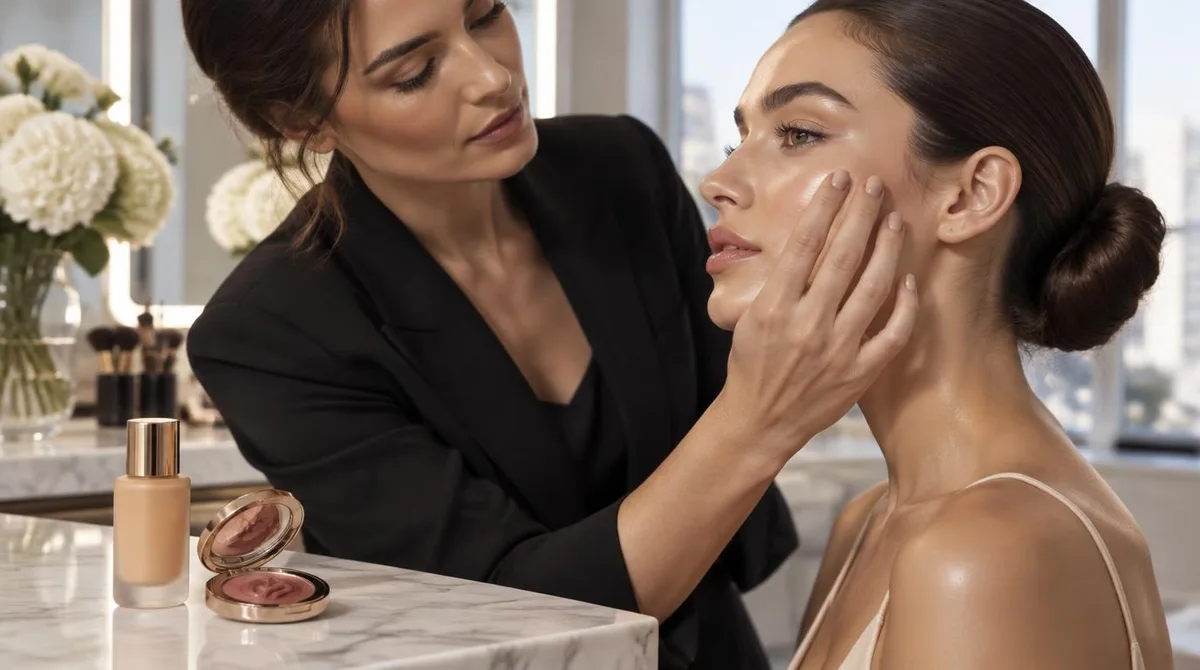
Hybrid makeup is color cosmetics built on skin care: a serum foundation, a tinted moisturizer with SPF, a blush that lists squalane. Products marketed as BB creams were designed to serve as a foundation, moisturizer, and sunscreen at once, per the Wikipedia history of the category. That multi-job promise is real. The fine print lives in the ingredient list, and a tint does not replace a serum.
The wave is documented. Who What Wear reported in March 2025 that the skin care and makeup categories are fusing, with skin-care-first brands such as Glow Recipe, Rhode, Versed, and Cocokind launching color lines of their own. The category has older roots. What follows: what the formulas combine, which claims stay brand claims, and where the evidence stands. Readers following this should also see What the SPF Number on Your Sunscreen Label Actually Means.
What Is a Skin Care-Makeup Hybrid?
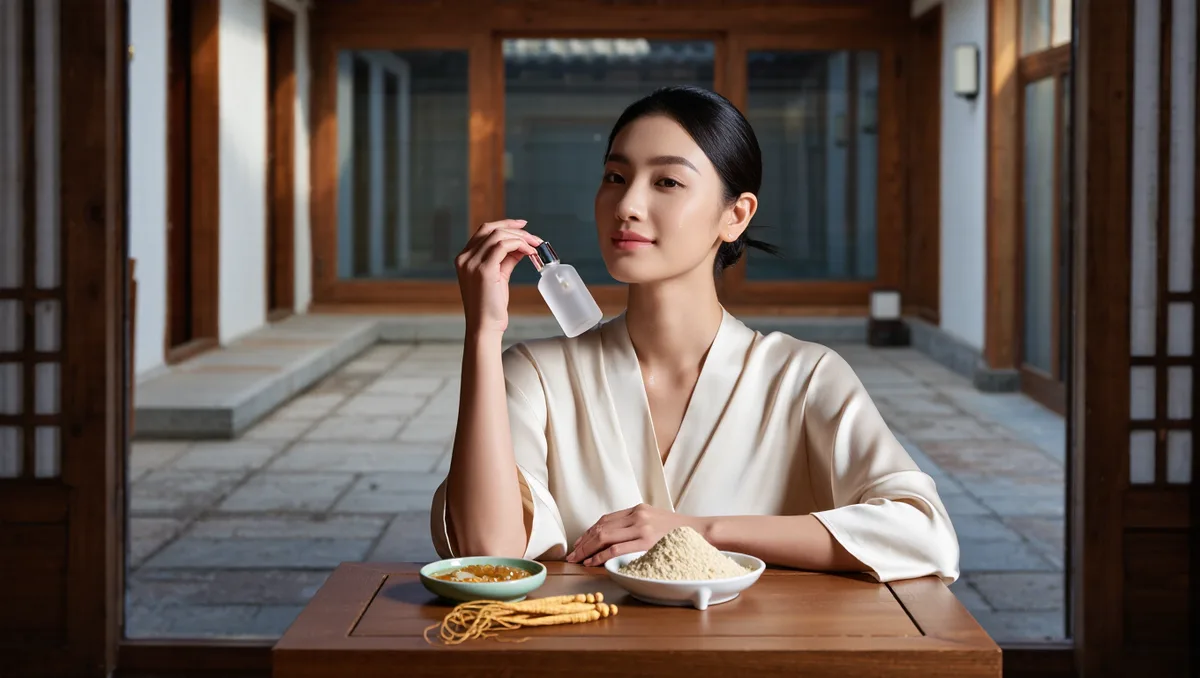
A hybrid is a color cosmetic that carries skin care ingredients or a skin care job: serum foundations, skin tints, tinted moisturizers, BB and CC creams. Wikipedia's category history traces BB cream to the 1960s, when dermatologist Christine Schrammek formulated the original to protect patients' skin after peels and surgery. South Korea's market developed it for daily use in the 1980s, and Western shelves picked it up from there. CC creams followed, with color correction as the added pitch.
Which Ingredients Do Hybrid Formulas Combine?
Hydration and barrier staples lead, according to Who What Wear's editor guide to the category: foundations infused with hyaluronic acid, highlighters with vitamin C, formulas that list niacinamide, a form of vitamin B3, and squalane, a moisture-restoring oil. Tinted sunscreens add pigment to UV filters. The pattern repeats across the shelf, though the dose of each ingredient is the brand's to set.
- Hyaluronic acid, an ingredient brands list for hydration, sits in tints and foundations.
- Niacinamide, a form of vitamin B3, shows up in tone-focused listings.
- SPF filters turn a skin tint into a tinted sunscreen.
- Vitamin C and squalane round out the common brand listings.
None of that is unusual chemistry. The unusual part is the packaging: an active next to a pigment.
Do the Skin Claims Hold Up?
Treat benefit lines as the brand's own description. A hydration or firming claim printed on a foundation is a claim per the brand's ingredient listing, not an independent finding. Published lab testing for most hybrids has not caught up with the shelf. Who What Wear noted that editors long rolled their eyes at the phrase skincare-infused makeup, and dated the shift to 2025, when the formulas stopped skimping on performance. We covered a connected angle in Australia's Sunscreen Recalls: What Independent SPF Testing Exposed.
Most listings skip the concentration. A serum states its percentage on the box; a tint almost never does, which makes side-by-side comparisons guesswork.
Can a Tinted Sunscreen Replace Sunscreen?
Not as usually worn. The American Academy of Dermatology's sunscreen FAQ tells people to reapply sunscreen approximately every two hours outdoors, or after swimming or sweating. A thin tint layer applied once in the morning rarely follows that pattern. The labeled SPF is a ceiling reached with a full application, not an all-day pass. Hybrid SPF is convenient backup, not the main plan.
How Should a Shopper Judge a Hybrid?
- 1. Read the ingredient list before the marketing. Position matters: an active listed after fragrance is decoration.
- 2. Split claims into two piles, brand description and named testing. Only the second carries independent weight.
- 3. Check the job the product is sized for. A tint worn thinly cannot match a dedicated SPF layer.
- 4. Compare cost per ounce across the category if budget drives the choice.
Conclusion: What the Hybrid Trend Actually Delivers
Hybrids deliver convenience and a shorter bag, with a documented history that runs from post-peel Germany to Korea's BB boom to 2025's serum tints. What most have not delivered is published independent testing of the skin benefits. Read them as makeup first. The skin care inside is real and listed; the ingredient list decides how much of it shows up.