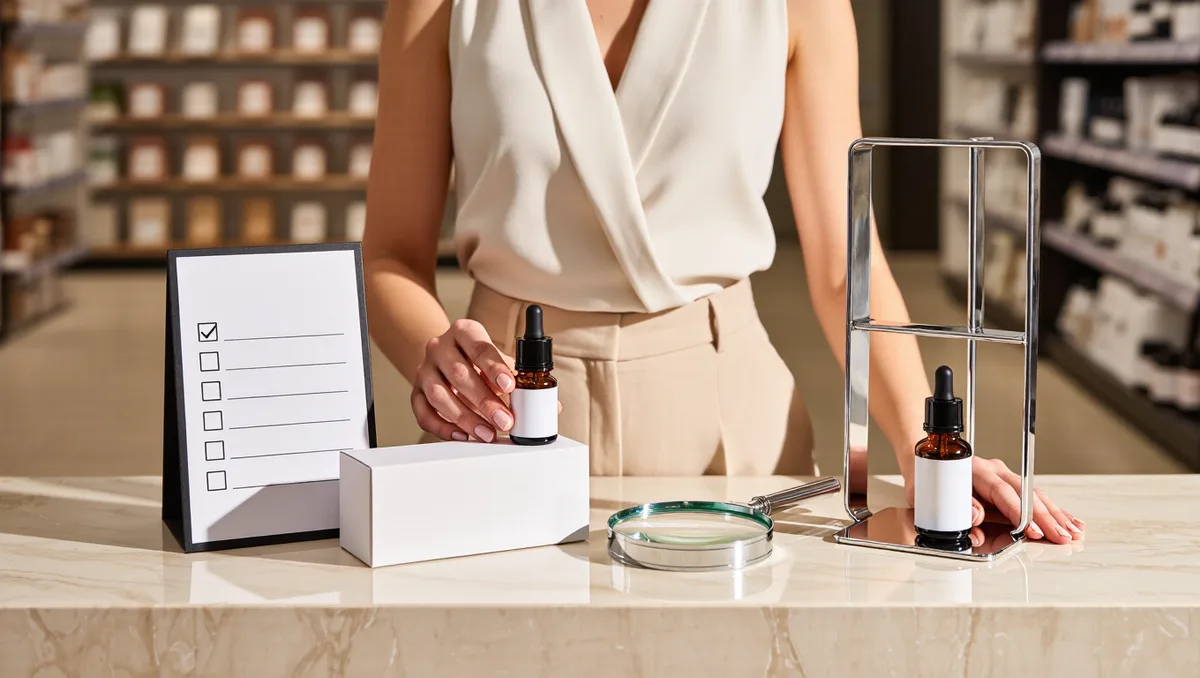
Beauty brands are rethinking sustainable packaging for a simple reason: packaging carries half the footprint of a product, on average, per L'Oréal's own published analysis. The shifts on the shelf run toward refills, recycled plastic, and paper pilots. The counterweight: researchers and regulators warn that green labels need reading, not trusting.
The materials story is bigger than beauty. Containers and packaging made up 82.2 million tons of United States municipal waste in 2018, about 28.1 percent of total generation, per the Environmental Protection Agency. Cosmetics sit inside that number, and the fixes are starting to show up at the counter. We covered a connected angle in L'Oréal's 2025 Results Show Beauty Growth Shifting Away From Asia.
Why Does Packaging Matter So Much in Beauty?
Packaging is the product used to wrap or protect goods, and the EPA's waste data names cosmetic products explicitly in that definition. Beauty makes the problem awkward in its own way. Small compacts, pumps with metal springs, mirrors glued into lids, and gift boxes with extra layers all resist sorting. Mixed materials confuse the machines, so a pretty object can fail to recycle in practice. That is why beauty draws its own targets, pilots, and refill counters. Readers following this should also see What the SPF Number on Your Sunscreen Label Actually Means.
Plastic packaging alone added 14.5 million tons of waste in 2018, and only 1.98 million tons of that was recycled, per the EPA's tables. Paper does much better in the same data. That gap is the argument for lighter, simpler materials.
What Are the Brands Actually Changing?
- 1. Refills and recharges: L'Oréal's packaging policy commits the group to making its plastic packaging refillable, rechargeable, recyclable, or compostable by 2025, per the group's own policy page.
- 2. Recycled content: the same page targets 50% recycled or bio-sourced plastic in its packaging by 2025, and reports 73,707 tonnes of recycled materials used in 2021, per the group's published figures.
- 3. Material swaps: the page claims PVC is gone from the group's packaging, and lists paper cosmetic tubes and a paper bottle partnership as pilots, by the group's own account.
Read those as brand targets, not audit results. These are the group's own numbers on its own page. A brand page is not an audit. The same caution applies to every brand page in the category.
What Does Sustainable Packaging Actually Mean?
Sustainable packaging is packaging made and used in ways that improve sustainability, per the reference overview. The judgment runs across the whole supply chain, from function to end of life. Researchers lean on life cycle assessment, which tracks impact from raw material to disposal. No single green-sounding material wins by name. The overview also notes the work covers more than recycling: lighter formats, fewer layers, and reused components all count. It is a process of improvement, not a badge.
How Can a Shopper Read the Label Without Getting Fooled?
Green claims on packages need to be made and read with caution, per the same overview. Vague titles such as green packaging can confuse without a definition. The overview notes that regulators, including the Federal Trade Commission, publish guidance for packagers. The reading rule is simple: a real claim names the percentage, the material, and the system. "Recyclable" means little without a number beside it, and the system decides the rest. The EPA's own data reported a 53.9 percent recycling rate for generated containers and packaging in 2018, per the agency's facts and figures page.
Conclusion: What Changes at the Shelf
Expect more refills at counters, recycled percentages printed on cartons, and paper pilots in place of some plastic. Expect the honest numbers to sit beside the hopeful ones: brand targets on one side, EPA recycling rates on the other. The reader's job stays the one the ingredient list taught: read the specific, skip the vague. The bottle is getting lighter. The proof is still arriving.