Benzoyl peroxide and salicylic acid do different jobs, so the better pick depends on the breakout. Benzoyl peroxide is an antimicrobial: per published dermatology research, it reduces Cutibacterium acnes, the bacteria involved in inflammatory acne, and no resistance develops to it — a point the American Academy of Dermatology's acne guidelines stress. Salicylic acid is a keratolytic, a BHA that dissolves the debris clogging the pore from inside. Inflamed, red, painful pimples point to benzoyl peroxide; blackheads, whiteheads, and clogged texture point to salicylic acid, and stubborn cases often end up using each where it works.
The claims below trace to published dermatology research, clinical guidelines, and brands' ingredient listings. Cystic acne, sudden severe breakouts, or acne that scars is a dermatologist's case, not a drugstore comparison; prescription options outperform both of these ingredients.
How does benzoyl peroxide actually work?
It oxidizes. Per published microbiology, benzoyl peroxide releases oxygen radicals that are lethal to the anaerobic bacteria involved in inflammatory acne, and it does so without prompting resistance — a documented advantage over topical antibiotics, which dermatologists now almost always pair with benzoyl peroxide for exactly that reason. It is mildly comedolytic and mildly anti-inflammatory as well, but the antimicrobial action is the headline. Formulas run from 2.5 to 10 percent over the counter, and published comparative studies report a useful fact for shoppers: 2.5 percent performed comparably to 5 and 10 percent for most users, with materially less dryness. Higher is not better; it is just harsher.
What does salicylic acid do inside the pore?
It dissolves the glue. Salicylic acid is oil-soluble, which per published chemistry lets it move through sebum into the pore lining, where it breaks apart the keratin-debris plugs that form blackheads and whiteheads. It also has mild anti-inflammatory activity, documented in published dermatology reviews. Over-the-counter concentrations run 0.5 to 2 percent, in cleansers, toners, and leave-on liquids, and the leave-on formats do most of the work since contact time drives the effect. Where benzoyl peroxide targets the bacteria inflaming a pimple, salicylic acid targets the environment that lets comedones form — which is why its results are slower and its best cases are textural rather than angry and red.
Can you use both together?
Yes, and the combination is a dermatology staple — with one staging caveat. Published guidance on topical acne therapy pairs benzoyl peroxide with retinoids and antibiotics freely; the older advice to separate benzoyl peroxide from vitamin A derivatives stems from oxidation on contact, applied in the lab more than on the face when products are dosed morning and night. Salicylic acid and benzoyl peroxide in the same routine is unremarkable: acid toner in the morning, benzoyl peroxide wash at night is a common pattern dermatologists accept. What published tolerability data does warn against is stacking every strength at once — 10 percent benzoyl peroxide plus 2 percent salicylic acid plus a scrub produces dermatitis, not clarity.
What are each ingredient's real side effects?
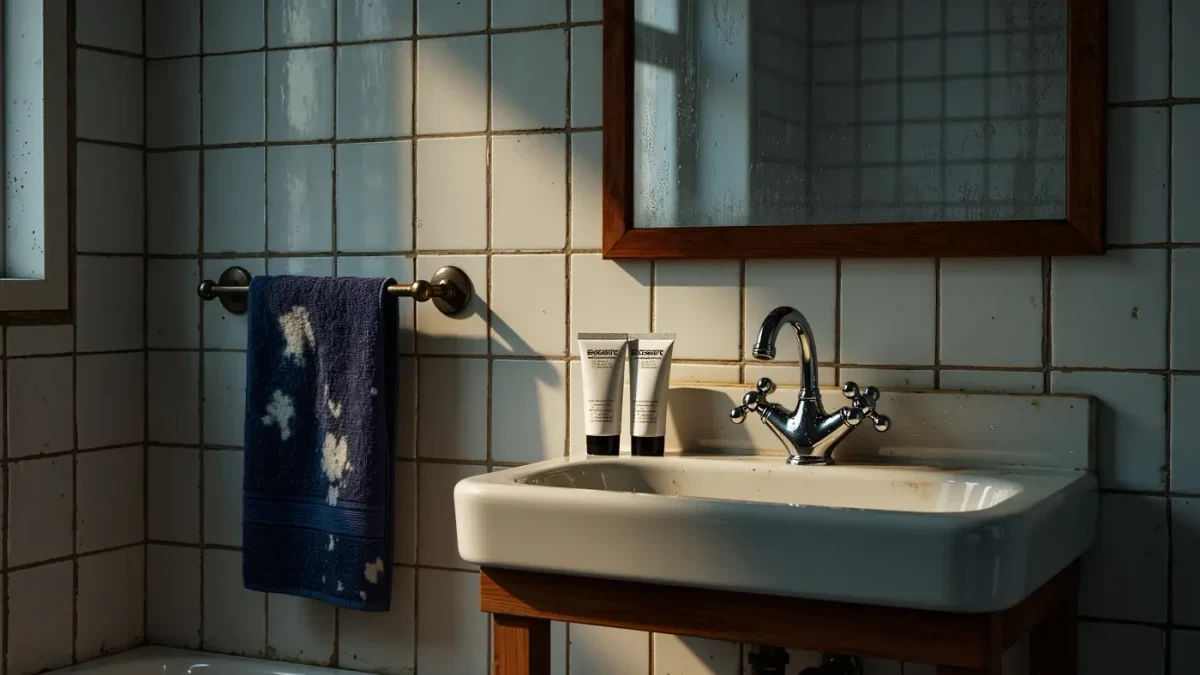
Dryness and irritation for both, and one nuisance unique to benzoyl peroxide: it bleaches fabrics. Published product monographs and brands' own packaging warn that peroxide oxidizes dye — pillowcases, towels, and colored clothing near the treatment area — so white towels are the standard advice. Salicylic acid's risks scale with concentration and surface area; published toxicology notes that very extensive daily use, especially in younger users, deserves moderation, and a small documented salicylate-sensitivity population should avoid it entirely. For both, the pattern is identical: expect a tightness-and-flaking adjustment in week one, reduce frequency if it cracks, and moisturize regardless.
How fast does each one show results?
Slower than either ingredient's marketing implies, per published trial timelines. Dermatology guidance generally gives an acne regimen two to three months before judging it, though benzoyl peroxide's antibacterial effect can flatten new inflammatory spots within days once treatment is established. Salicylic acid's comedone clearance tracks the skin's natural turnover cycle, so texture changes read at weeks, not days. The comparison that matters: consistent low-strength use of either beats aggressive on-and-off use of both, which is the pattern behind most "it didn't work for me" verdicts.
Which product format delivers each ingredient best?
The formats and the ingredients fit differently, and the pairings are worth knowing before buying. Benzoyl peroxide reaches its best published tolerability as a short-contact wash — applied, left for a minute or two, rinsed — which delivers the antimicrobial effect while limiting dryness; leave-on gels suit spot treatment and concentrated trouble zones. Salicylic acid performs the opposite way: published commentary on contact time notes that a cleanser rinses before the keratolytic work is done, so toners, pads, and liquids that stay on the skin extract most of the ingredient's value. A sensible over-the-counter pairing, per dermatology commentary, is therefore a benzoyl peroxide wash and a salicylic acid leave-on, each at the lowest listed strength, rather than two leave-on products competing for the same real estate.
| Factor | Benzoyl peroxide | Salicylic acid |
|---|---|---|
| Class | Antimicrobial oxidizer | Oil-soluble keratolytic (BHA) |
| Main target | Inflammatory papules and pustules | Blackheads, whiteheads, clogged texture |
| Typical OTC strength | 2.5–10% | 0.5–2% |
| Resistance | None documented | Not applicable |
| Speed | Days for active spots, weeks overall | Weeks, tracks skin turnover |
| Signature side effect | Bleaches fabrics and hair | Dryness; avoid with salicylate sensitivity |
| Best format | Short-contact wash or thin spot layer | Leave-on toner or liquid |
The verdict the research supports: benzoyl peroxide is the stronger weapon against inflamed pimples, salicylic acid is the better tool for congestion and texture, and the combination covers more acne than either alone. Match the ingredient to the lesion, start at the lowest strength that comes in the bottle, and give the regimen the two months the trials used.