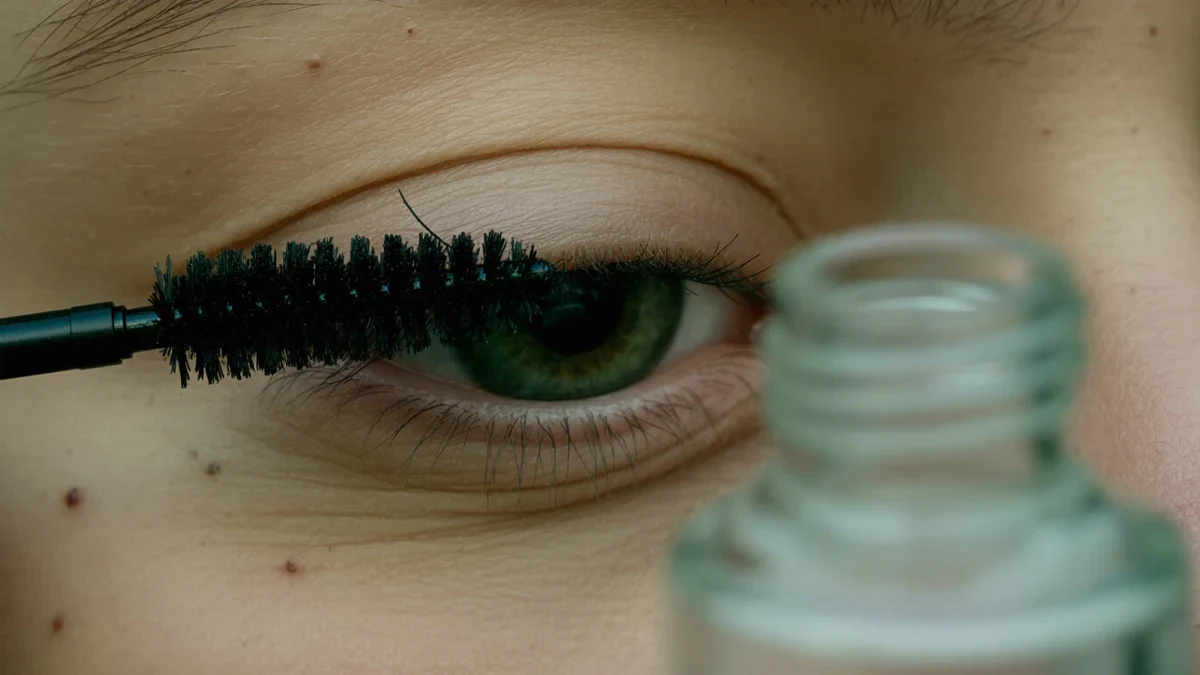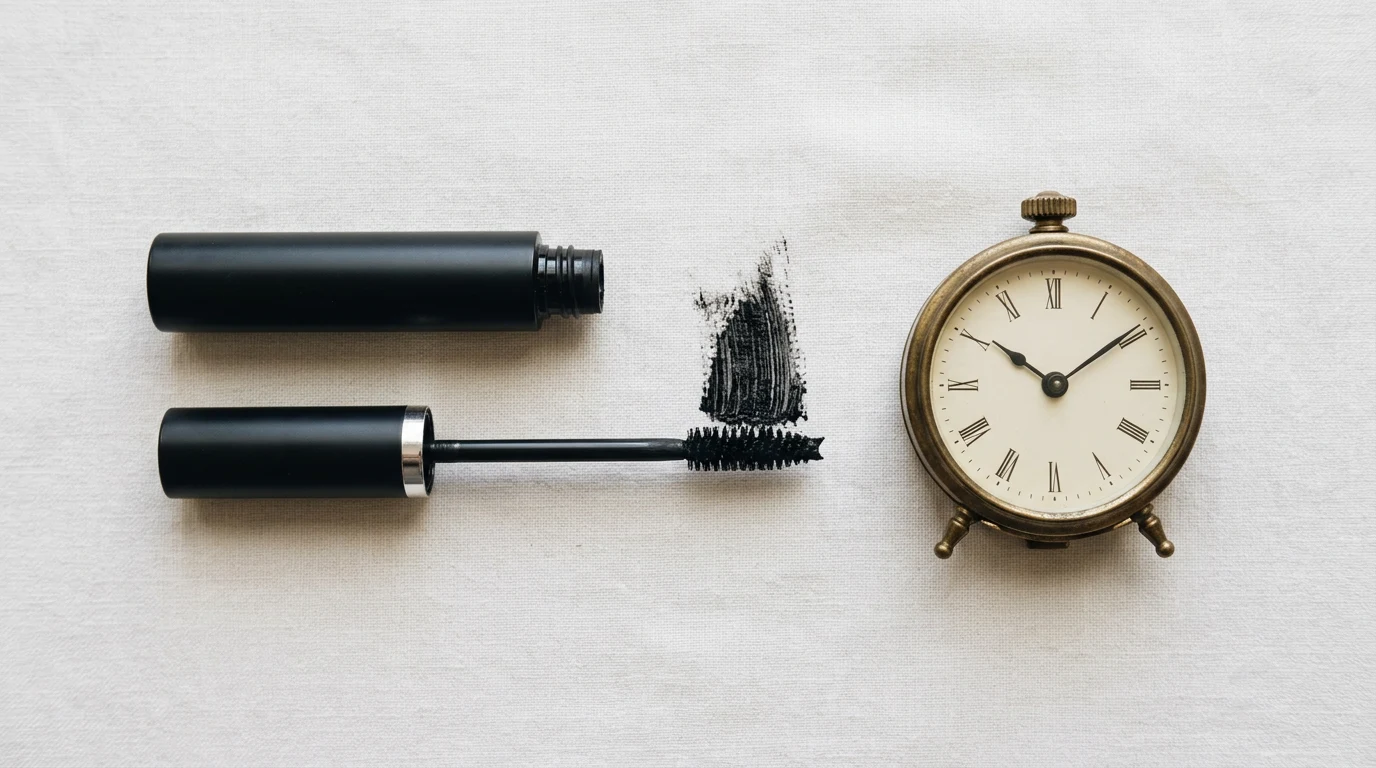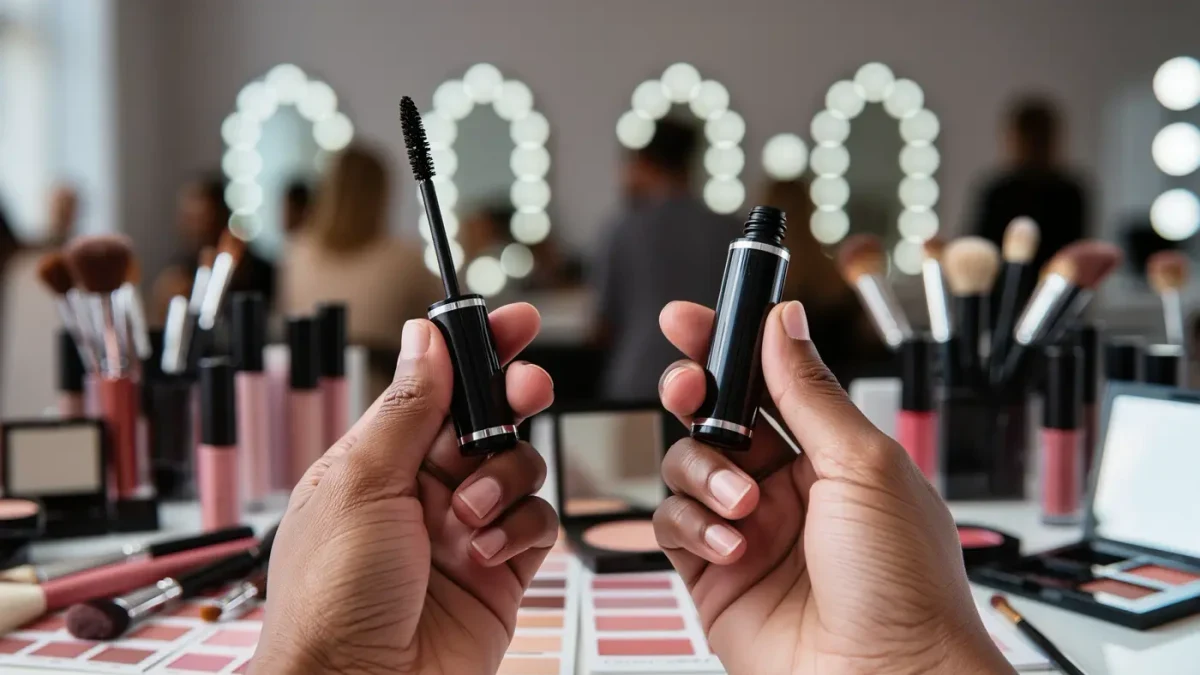
Mascara labels map to real formula differences: length formulas use film-forming polymers and fibers to extend lashes, volume formulas load on waxes and pigments to thicken them, and waterproof formulas replace water-soluble binders with waterproof films that survive tears, rain, and pools — at the cost of harder removal. Which you need follows from what your lashes lack and what your day holds; most readers do best with one everyday non-waterproof formula plus waterproof reserved for genuinely wet occasions.
Eye-area cosmetics are the products regulators watch most closely on hygiene: the FDA's published guidance on eye cosmetics warns against using mascara with any eye irritation or infection and against adding water or saliva to dry mascara, which is worth keeping in mind before the formula comparison matters. Everything below explains what the formulations actually do.
What makes a lengthening mascara lengthen?
Two mechanisms, often combined. Film-formers — polymers that dry into flexible tubes around each lash — build extension without much thickness, which is why length formulas feel light and look defined; many modern "tubing" mascaras are this category, per brands' ingredient listings listing acrylate copolymers high in the list. Fiber formulas add nylon or rayon fibers that physically cling to lash tips and extend them further, with a caveat: fibers can migrate and irritate sensitive eyes and contact-lens wearers, which is the trade-off brands disclose. Length formulas suit short, fine, sparse-at-the-tips lashes best, and they flake less than old-school thick formulas because the film flexes rather than cracking.
How do volumizing formulas actually thicken lashes?
They coat each lash in a thicker layer of waxes and densely packed pigments, so the lash's visible diameter grows. The formula signature is a high wax load — beeswax, carnauba, or synthetic waxes near the top of the ingredient list, per the brands' listings — plus dense pigments like iron oxides. Volume mascaras pair with the brush as much as the juice: dense, closely bristled spoolies deposit the heavy coat evenly. The trade-off is weight — a heavy wax layer can straighten a curl over a long day, which is why artists often curl first, apply volume, and set with a pinch. On sparse lashes, volume formulas deliver the most visible change of any category; on already-thick lashes, they can look clumpy without a comb-through.
Is waterproof mascara actually waterproof — and what is the cost?
Yes: waterproof formulas swap water for volatile solvents and use film-formers that do not redissolve in water, which is why they survive swimming, tears, and humidity, per the brands' product documentation. The cost arrives at the sink. The same non-water-soluble film requires an oil-based or dual-phase remover, and the rubbing that removal takes can pull out lashes — a real concern since lashes regrow slowly. Dermatologists and ophthalmologists also note that waterproof formulas, worn daily, are likelier to leave residue and irritate sensitive eyes. The working pattern artists recommend: waterproof as an occasion formula — weddings, summer, tearful events — and a comfortable daily formula otherwise.
| Formula | What it does | Best for | Removal |
|---|---|---|---|
| Length / tubing | Film extends lashes, light feel | Short, fine lashes; sensitive eyes | Warm water, gentle pressure |
| Volume | Wax + pigment thickens each lash | Sparse or thin lashes | Standard cleanser or micellar |
| Curling | Fast-setting flexible film holds bend | Straight, downward lashes | Standard |
| Waterproof | Water-insoluble film survives moisture | Events, swimming, humidity | Oil-based or dual-phase remover |
Does lash curler or curling mascara matter more?
The mechanical curl wins, and the mascara's job is to hold it. A curling mascara sets a fast, flexible film that locks in whatever bend exists — but a film cannot bend a straight lash on its own. The artist sequence: curl with a clean lash curler at the base, in two gentle pulses, before any mascara; then apply a curling or lengthening formula while the curl is fresh. Curling after mascara — especially waterproof — is the classic lash-breakage mistake, because the dry film sticks to the pad and pulls lashes out with it. Downward-pointing straight lashes get the most from the combo; naturally curly lashes can skip the tool on casual days.
Why does mascara flake, smudge, or give you panda eyes?
Each failure has a formula explanation. Flaking comes from films that dry too rigid — often a formula past its prime, since mascara thickens with age and old film cracks; the standard replacement window brands and eye doctors give is three months after opening. Under-eye smudging happens when the formula's oils migrate onto moisturizer or sunscreen on mobile skin — drier, faster-setting formulas and a light powder under the eyes reduce it. Panda eyes — grey transfer onto the lid crease — are wet formulas meeting an oily lid; tubing and waterproof formulas resist it best because their films do not redissolve in skin oils. The wand matters here too: over-loaded wands deposit too much at once, and excess is what transfers.
How long does mascara last, and when should you throw it out?
Three months after opening is the standard replacement interval for mascara, a figure the American Academy of Ophthalmology's public guidance on eye cosmetics is associated with and which brands print on their own packaging; the product's preservative system is designed for that window. Earlier disposal applies when the formula smells off, has changed texture, or was used during any eye infection — a mascara used during conjunctivitis goes in the bin, not back in the makeup bag. Dry mascara should never be revived with water or saliva, which introduces microbes directly into an eye-area product, per the FDA's eye cosmetics guidance. Tightlining the waterline with any formula is a choice to make carefully, since waxes there can block the meibomian glands that keep eyes lubricated.
So which formula should you buy first?
Match it to your lash and your week. Short or fine lashes: a lengthening or tubing formula, which also suits sensitive eyes and contact-lens wearers. Sparse or thin lashes: a volume formula with a dense spoolie. Straight lashes that drop by noon: curler first, then a curling or tubing formula to lock the bend. Swimming, crying, or humid-heat days: waterproof, with an oil-based remover bought alongside it. One tube covers one job well; a second tube for occasions is a luxury most lids never need. Replace both on the three-month clock, and let the formula — not the packaging — tell you when it is finished.