Makeup fails in heat for one physical reason — heat and humidity thin the skin's oil and sweat films, and the products layered over them slide. The fix is a systematic swap rather than more product: lighter, water-resistant textures in the base; thin layers with proper waits; blotting paper instead of stacked powder through the day; and a setting spray at the end, re-applied as the day demands. Makeup artists report that this combination, not any single miracle product, is what carries a face through a humid afternoon.
BEAUTY RING publishes information, not cosmetic or medical advice. Heat also raises a skin question that precedes makeup: sunscreen remains non-negotiable in summer, and no base product replaces it, per dermatology guidance. Sweat-induced breakouts and heat rash are skin conditions to manage with skincare, not heavier foundation. Now the technique.
Why does makeup melt off in heat and humidity?
Two fluids attack the film: sebum and sweat. Humidity keeps sweat from evaporating, so the skin surface stays wetter, and most makeup binders are water- or oil-sensitive — the same chemistry that lets a formula blend at application lets it re-emulsify on a hot face. Heat itself thins waxy and oil-based products, lowering their viscosity until they migrate. This is why the same foundation that lasts ten hours in a dry, cool office can break up in four on a humid commute. Nothing is wrong with the product; the environment exceeded its design range. Everything that follows works by reducing the fluids reaching the film, or by choosing films that do not redissolve.
Which textures survive summer best?
The thin and the tenacious. In base: skin tints, gel or serum foundations, and water-resistant liquid formulas outlast heavy cream compacts, per the wear logic brands document for their long-wear lines. In color: gel and liquid stains for lips and cheeks — formulas that dye the skin rather than sit on it — shrug off heat that strips waxy bullets and cream blushes. Powder products hold in dry heat but can look patchy over sweat; the artist pattern is a stain underneath with powder color only where wear matters most. Skip heavy silicone primers in extreme humidity? No — silicone primers are actually the standard summer tool, because a silicone film is water-repellent; the products to lighten are moisturizer and foundation, not the barrier.
- Base: skin tint or water-resistant gel foundation, thinnest coat that covers.
- Primer: silicone-based on T-zone; mattifying primers only on genuinely oily zones.
- Cheeks/lips: gel or liquid stains, layered under powder color if depth is needed.
- Eyes: cream shadows set with matching powder shadow, or tubing mascara.
- Setting: setting spray at the end, blotting paper for midday, never powder stacking.
How should you layer products so they do not slide?
Thin layers with real waits, in the water-repelling order. Each coat should be lighter than you think — a full day of summer wear comes from three thin films, not one thick one, because thick films stay mobile longest. Let skincare absorb fully, apply sunscreen and give it minutes to set, then silicone primer pressed onto the T-zone, then base in a thin coat. The logic from the layering rule holds: water-based layers before silicone ones, and nothing over a set layer that will redissolve it. Artists working outdoor weddings — the extreme case — add a step most routines skip: a blot and a whisper of powder between base and setting spray, so the spray fuses a dry surface rather than a wet one.
Should you use setting spray — does it actually work?
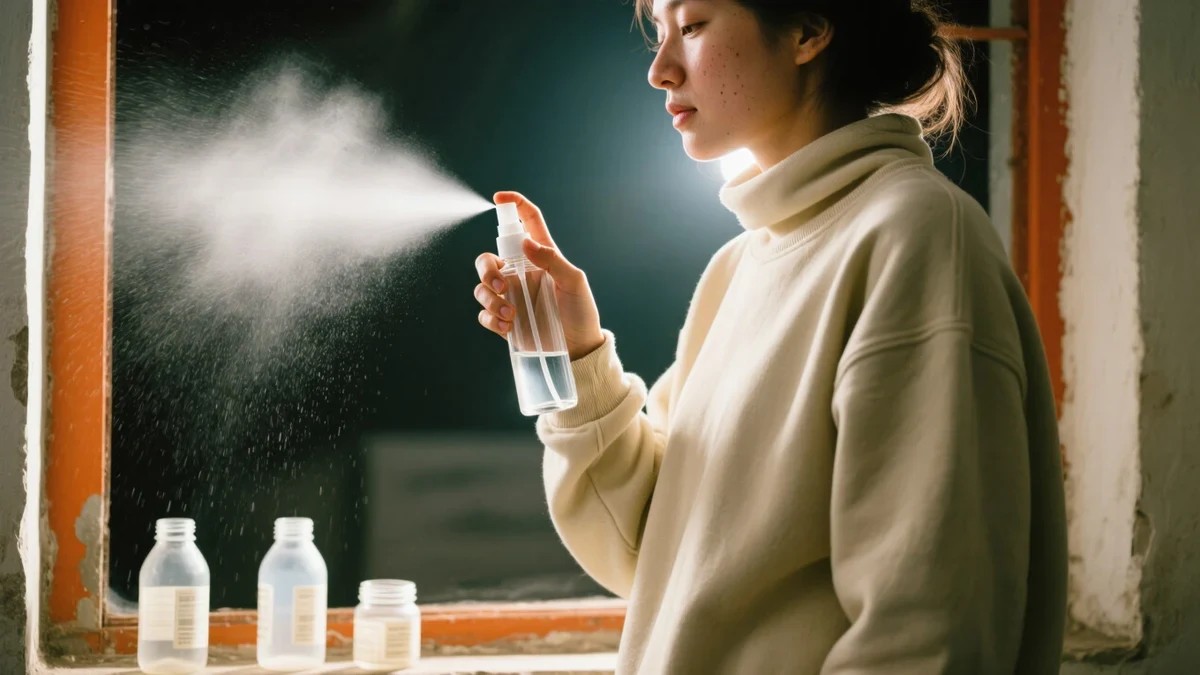
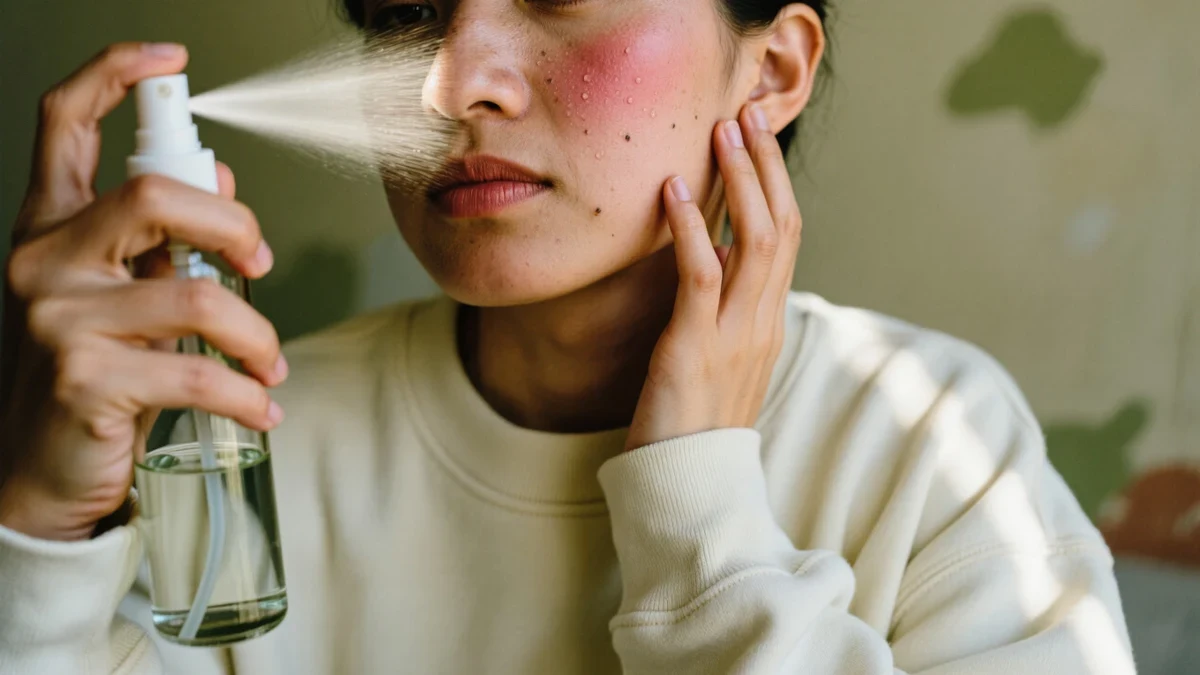
It earns its slot in summer more than any other season. Setting sprays form a light polymer film over the finished makeup that reduces transfer and slows the slide, per the film-forming technology brands describe for their long-wear sprays; they do not lock makeup permanently, and their performance varies by formula climate. Technique decides much of it: mist at arm's length in an X then T pattern, let it air-dry without fanning or touching, and re-mist once midday after blotting. What setting spray cannot do is rescue an over-powdered or over-thick base — a heavy, dry cake cracks in heat regardless of what seals it. On short errands, it is optional; on a humid wedding day, it is standard kit.
Blotting or powdering — which is the right midday fix?
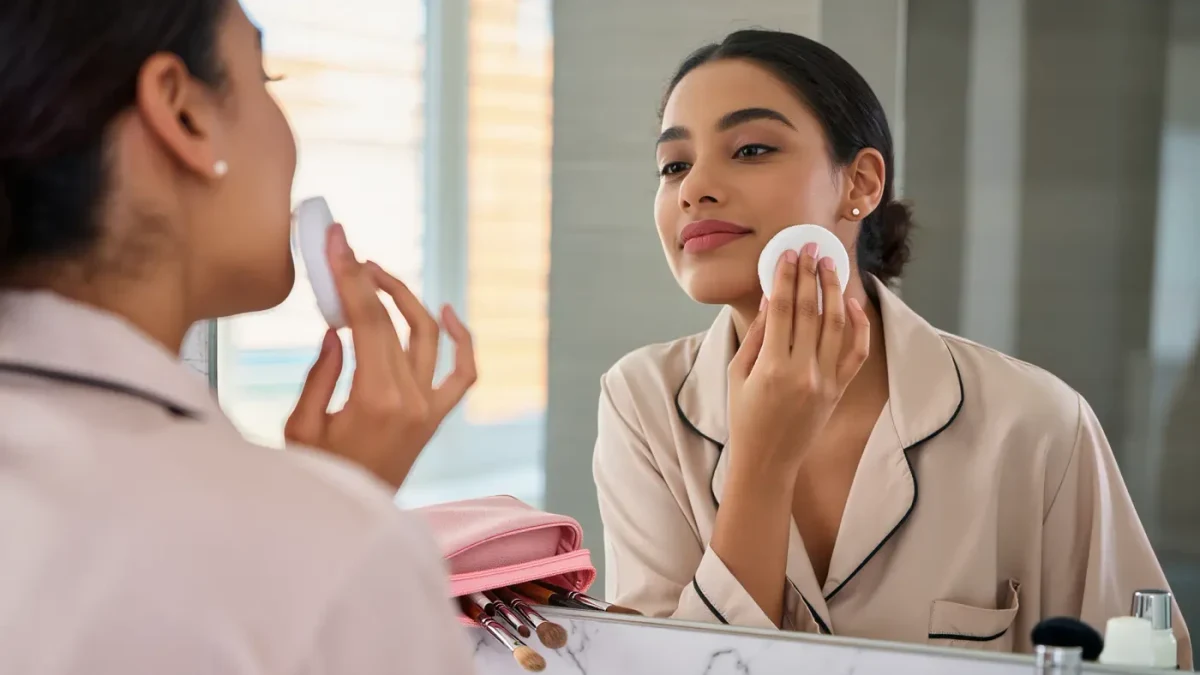
Blot first, always. Blotting paper lifts oil and sweat from the surface without disturbing the films below; powder applied over sweat mixes into a paste that settles into texture. The correct sequence at the mirror-less midday checkpoint: blot the shine zones with paper, pressing rather than wiping; then, if you want a matte finish back, apply the smallest amount of pressed or translucent powder with a puff, only where you blotted. The common summer error is re-powdering shine all day — by evening the accumulated powder-plus-oil layers read as a mask. One blot, one pinch of powder, then a re-mist of setting spray is the full professional fix.
What about eye makeup in heat — creasing and smudging?
The eye zone needs the same three answers as the face: grip, water-resistance, and thin coats. An eyeshadow primer or a base of concealer set with powder keeps cream shadows from creasing into the fold; tubing or waterproof mascara survives humidity that turns regular formulas into under-eye smudge by lunch. Cream shadow worn alone creases fastest in heat, so the artist standard for summer is cream shadow pressed thin, set with a matching powder shadow on top. Waterproof eyeliner and mascara earn their harder removal here; reserve them for genuinely hot, sweaty days rather than year-round, for the lash-health reasons waterproof formulas carry.
Which mistakes ruin summer makeup fastest?
Five cover most failures. Skipping the wait after skincare and sunscreen, so the base slides on a wet film. Applying one thick foundation coat instead of two thin ones. Re-powdering shine instead of blotting, which builds a paste. Using heavy cream textures — cream blush, wax lipsticks, dense cream bronzer — in a season that liquefies them. And abandoning sunscreen because it feels heavy under makeup: the fix is a lighter-textured sunscreen, not no sunscreen, since dermatology guidance holds that sun protection does not take a summer off. Correct those five and even a modest product shelf gets through a heat wave.