Drugstore and department store foundations are built from the same three families of ingredients — pigment, base, and additives — and the price gap buys differences in refinement, not chemistry. Per brands' ingredient listings at both tiers, the pigment is titanium dioxide plus iron oxides, the base is usually a water-in-silicone emulsion, and the additives are silicones, humectants, and preservatives. What separates a fifteen-dollar formula from a sixty-dollar one, per published formulation commentary, is typically the pigment milling, the shade architecture, the fragrance, and the finish engineering — each checkable on the label, if you know what to look for.
Is the pigment actually different?
Chemically no; physically, sometimes. Both tiers list titanium dioxide and iron oxides, the pigments every foundation formula relies on, and published color-cosmetics chemistry treats them as commodity materials with established safety profiles for cosmetic use. The refinements sit in processing: prestige formulas more often advertise micronized or surface-treated pigments, which per published color-cosmetics literature disperse more evenly, resist oxidation on the skin, and shift less from morning tone to afternoon tone. Budget formulas have closed much of this gap, and the tell is visible on the back of the hand: a swatch that dries noticeably darker or orange signals pigment or binder problems that no price tier can hide.
What does the base tell you about wear?
The base predicts wear better than any claim on the box. Per published formulation commentary, most modern foundations at both tiers are water-in-silicone emulsions — water droplets dispersed in a silicone phase — because the silicone film resists sweat and sebum and gives the smooth slip that reads as "second skin." Listings that open with water followed by dimethicone or cyclopentasiloxane follow this template; oil-first formulations, now rarer, sit in the dewier, shorter-wear corner of both markets. Budget and prestige wear the same architecture here, and dermatology commentary on long-wear formulas applies identically: the film that survives a workday needs a proper cleanse at night, whatever it cost.
Are the skincare additives worth paying for?
Usually not at foundation concentrations, and the label shows it. Prestige listings commonly add niacinamide, hyaluronic acid, peptides, or vitamin E, positioned as treatment benefits; published formulation commentary notes these appear at cosmetic doses beneath the one percent line, applied over other skincare rather than into bare skin. They are not fraud — they support the texture and can soften the feel of dry skin — but dermatologists consistently describe foundations as supplements to a routine, not substitutes for it. A budget formula whose list ends at pigment, silicone, and preservative is not missing a treatment; it is declining to charge you for a gesture.
Where does the shade range really differ?
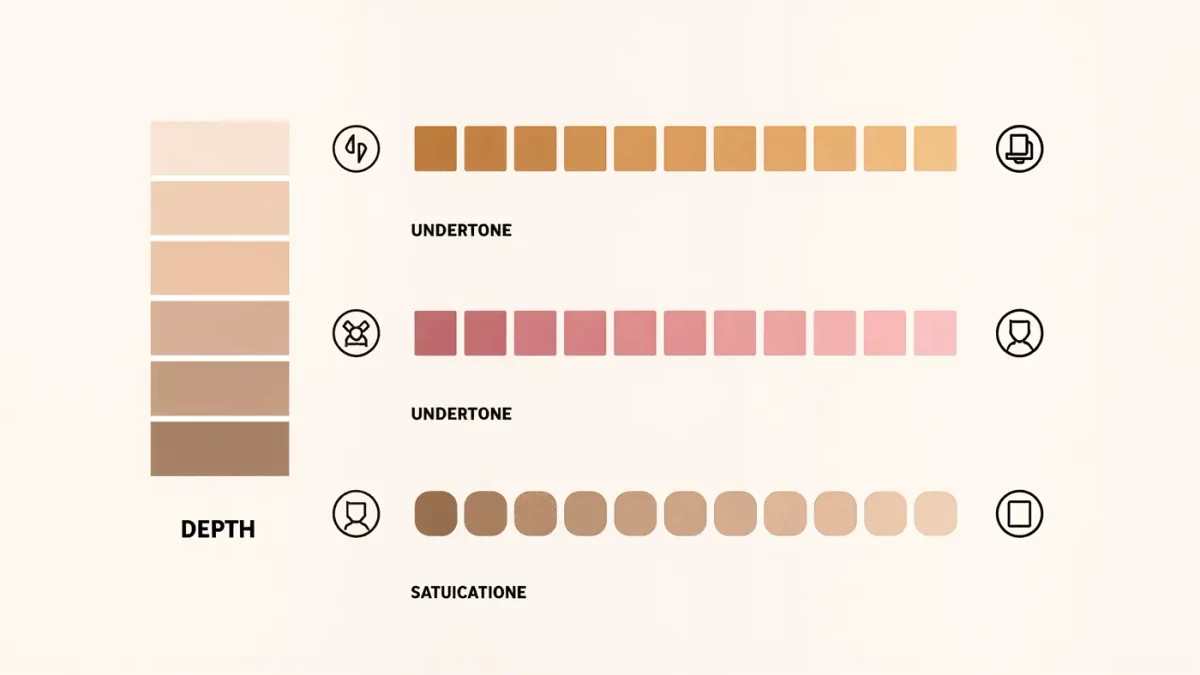
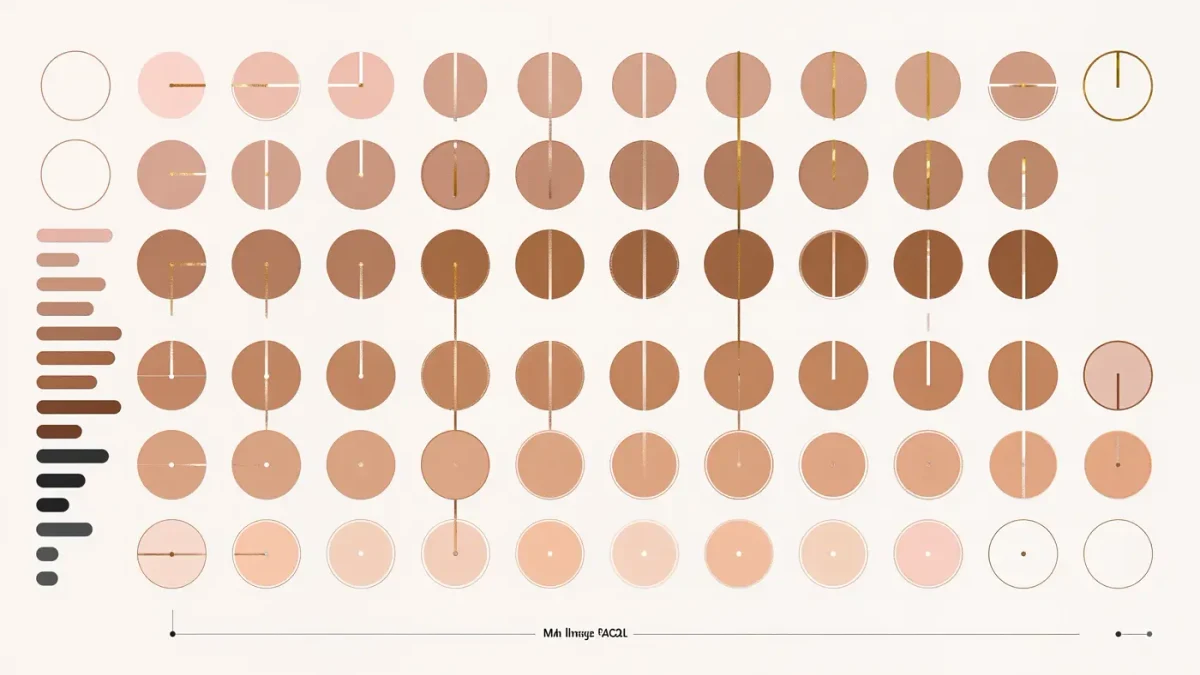
This is the comparison's sharpest line, and it has moved over the last decade. Historically, prestige counters offered far deeper and more precisely stepped shade architecture; published industry reporting after 2020 documented mass brands expanding ranges sharply in response, and by mid-decade several drugstore lines offered fifty or more shades. Two gaps persist, per published coverage of the category: the evenness of the steps between shades, which affects matching precision, and undertone depth at the extreme ends of the range, where prestige formulas still more often offer the olive and deep-cool options. The practical test is trying three adjacent shades; a range that only differs in depth, not undertone, will match nobody perfectly at either price.
Do SPF foundations replace sunscreen at either tier?
No, and the labeling at both counters says so in the same way. Foundations listing SPF use titanium dioxide or chemical filters, but per the FDA's testing framework for sunscreen claims, the labeled protection assumes the same two-milligrams-per-square-centimeter dose used to test dedicated sunscreens — roughly seven times what most people apply as foundation. Dermatologists' standard guidance treats foundation SPF as a bonus, not a replacement, and neither price tier's formula escapes that arithmetic. The comparison between tiers on this point is a wash: a cheap SPF foundation and an expensive one are both second lines of defense.
| Factor | Drugstore foundation | Department store foundation |
|---|---|---|
| Pigment chemistry | Titanium dioxide, iron oxides | Same pigments; more often micronized/treated |
| Base architecture | Mostly water-in-silicone | Mostly water-in-silicone, more finish options |
| Shade range | Broad and improving; steps uneven | Deeper undertone range at extremes |
| Skincare additives | Fewer, mostly texture-driven | Common, at sub-1% doses |
| Fragrance | Usually absent | More common in luxury formulas |
| SPF claims | Common; not sunscreen replacement | Common; not sunscreen replacement |
| What the premium buys | — | Milling, shade architecture, packaging, scent |
How should you actually run the comparison at the shelf?
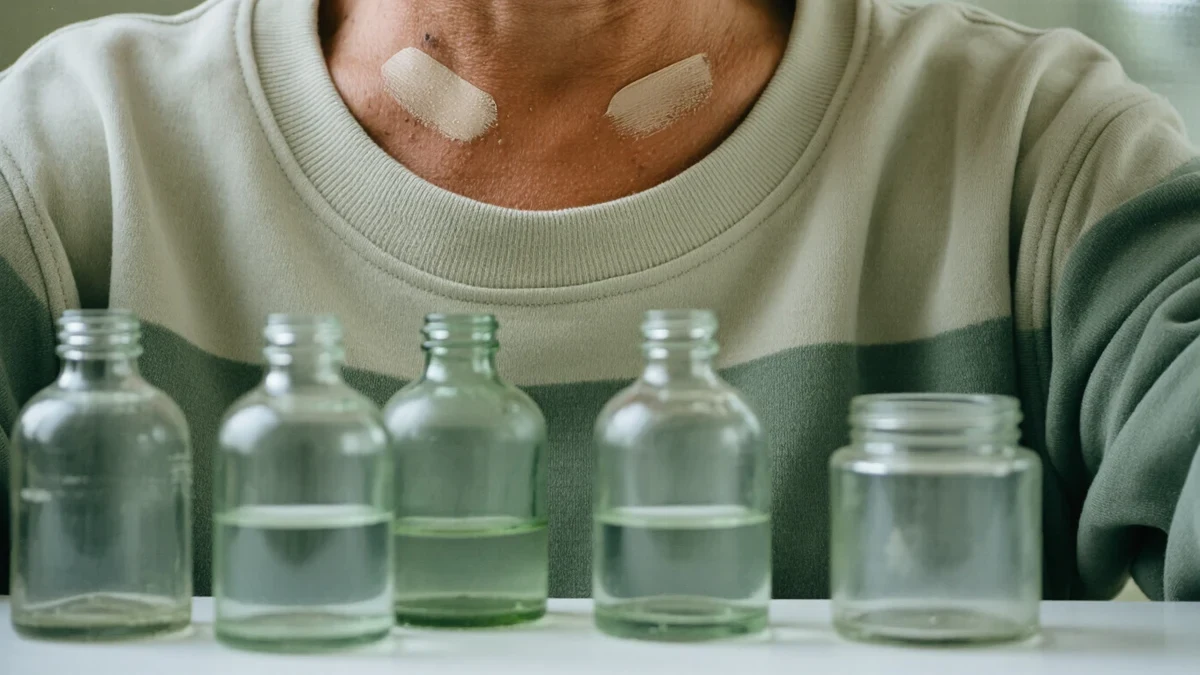
A five-minute protocol covers the real variables. Read the first five ingredients and identify the base — a water-in-silicone opening predicts long wear at either counter. Swatch three adjacent shades on the jawline, not the hand, and check them in daylight after ten minutes for oxidation. Scan the tail of the list for fragrance if your skin is reactive, since published dermatology commentary notes fragrance is the commonest irritant hiding in prestige formulas. Then price the finish you actually wear: if a dewy finish is your preference, many of the long-wear advantages being compared disappear, and the budget formula built for that finish may win on its own ground. The comparison ends honestly only when the two formulas are judged doing the same job.
The verdict the ingredient lists support: the mass market now competes on base chemistry, and the premium tier's defensible ground is pigment processing, undertone range, and finish refinement — real differences, but ones you can test on the jaw before buying. Read the first five ingredients, swatch three adjacent shades, and let the label vote with you rather than the counter.