Makeup
How to Make Makeup Last in Summer Heat: Textures, Layering, and Setting
Heat-proofing makeup is a swap list: lighter textures, silicone-base layering, blotting instead of powder stacking, and setting spray as a real step.
Makeup at Beauty Ring is tested across a full day rather than a swatch. Reviews track oxidation, transfer, creasing, flashback and how a formula behaves on textured, oily or mature skin. Shade ranges get checked at both ends. Intended for readers who buy complexion products online and hate returns.
Heat-proofing makeup is a swap list: lighter textures, silicone-base layering, blotting instead of powder stacking, and setting spray as a real step.
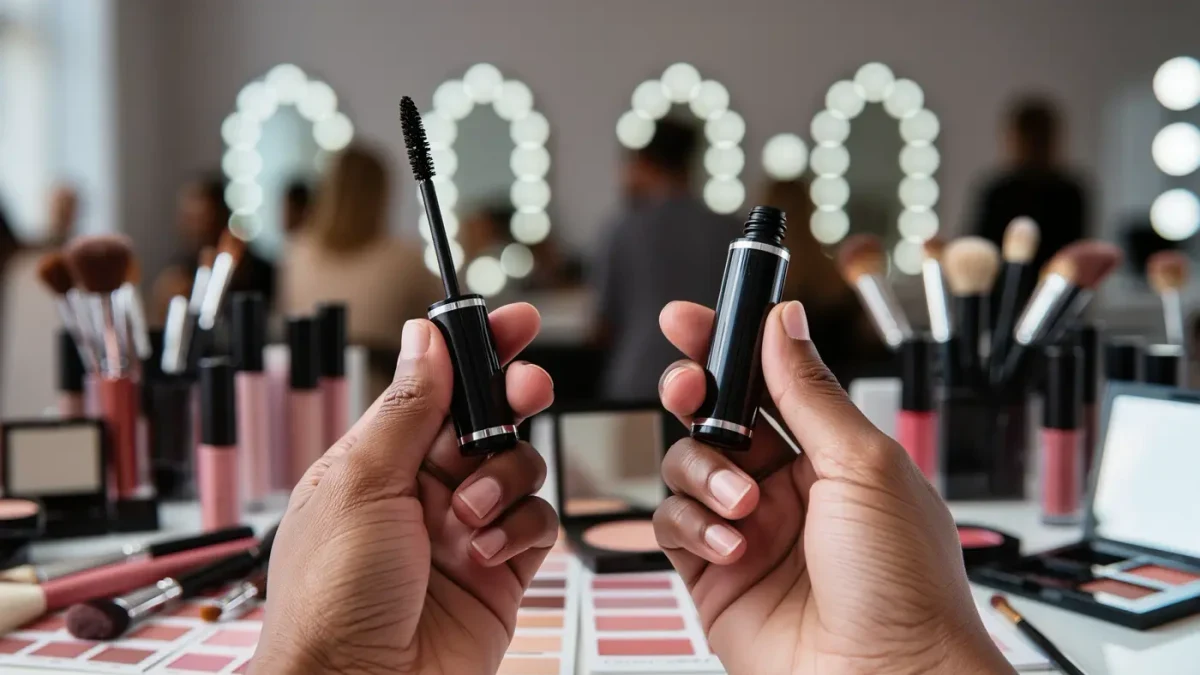
Waxes and films decide what a mascara does: length formulas lift fine lashes, volume formulas thicken each lash, waterproof trades comfort for staying power.
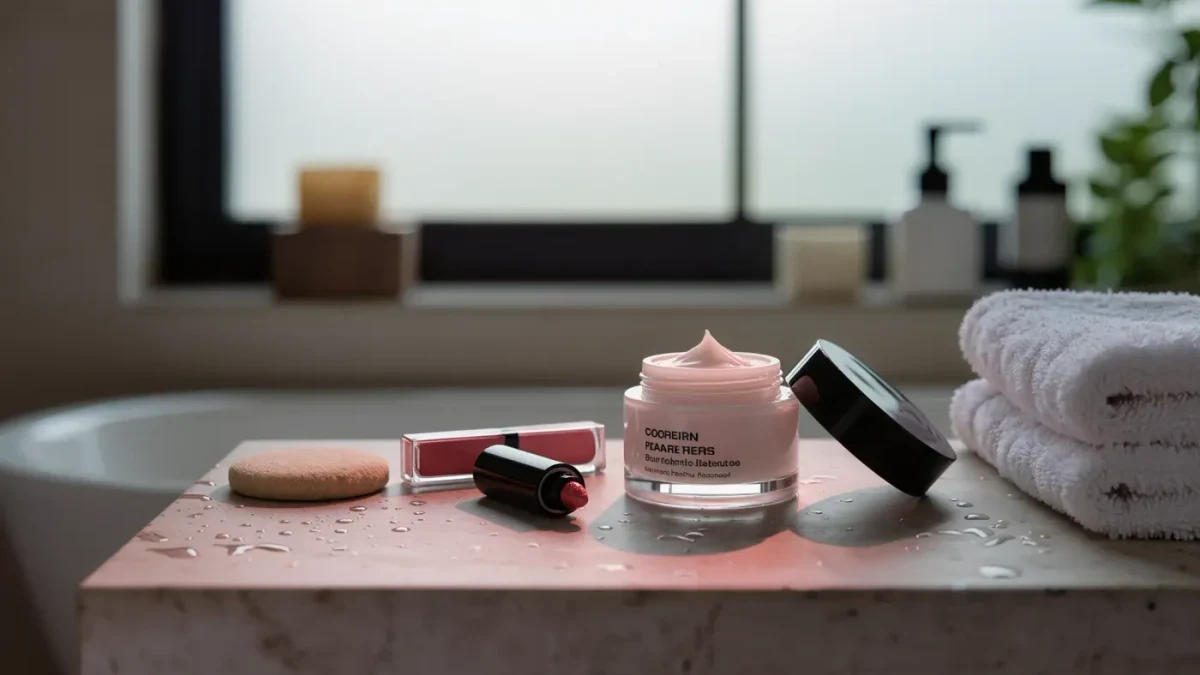
Caking is a product-quantity and hydration problem before it is a concealer problem — hydration, thin layers, and pressed setting powder fix most of it.
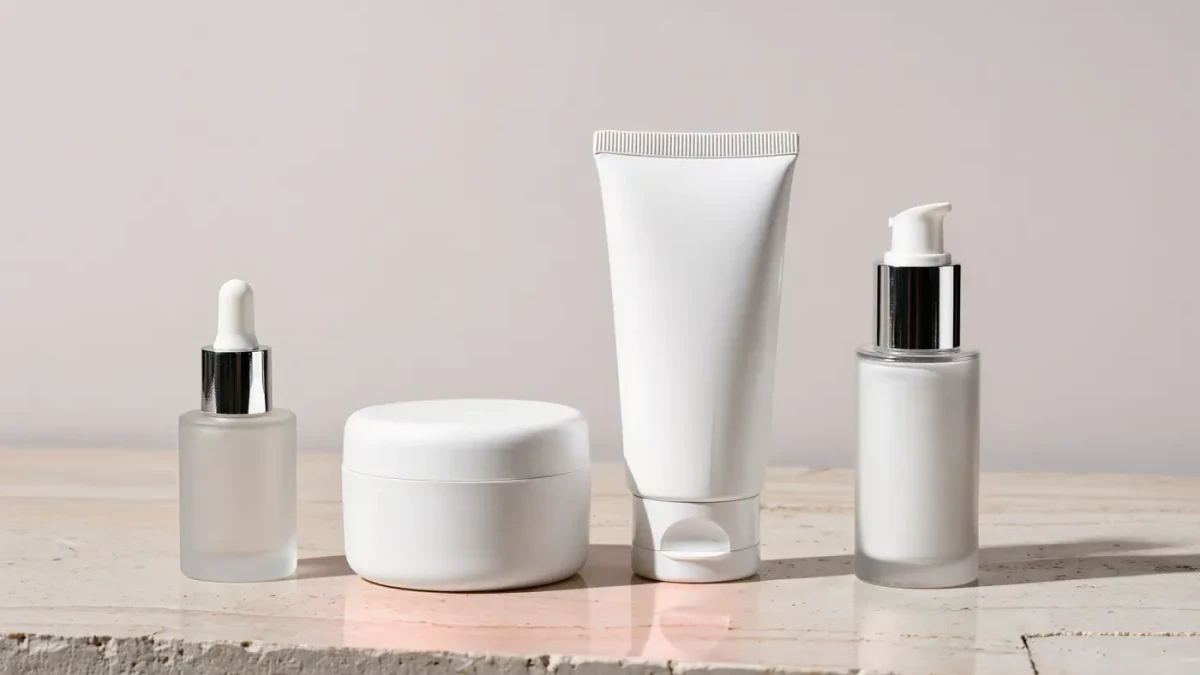
Thin before thick, water before silicone, SPF always last in skincare — one logic explains every layering rule from serum to setting spray.
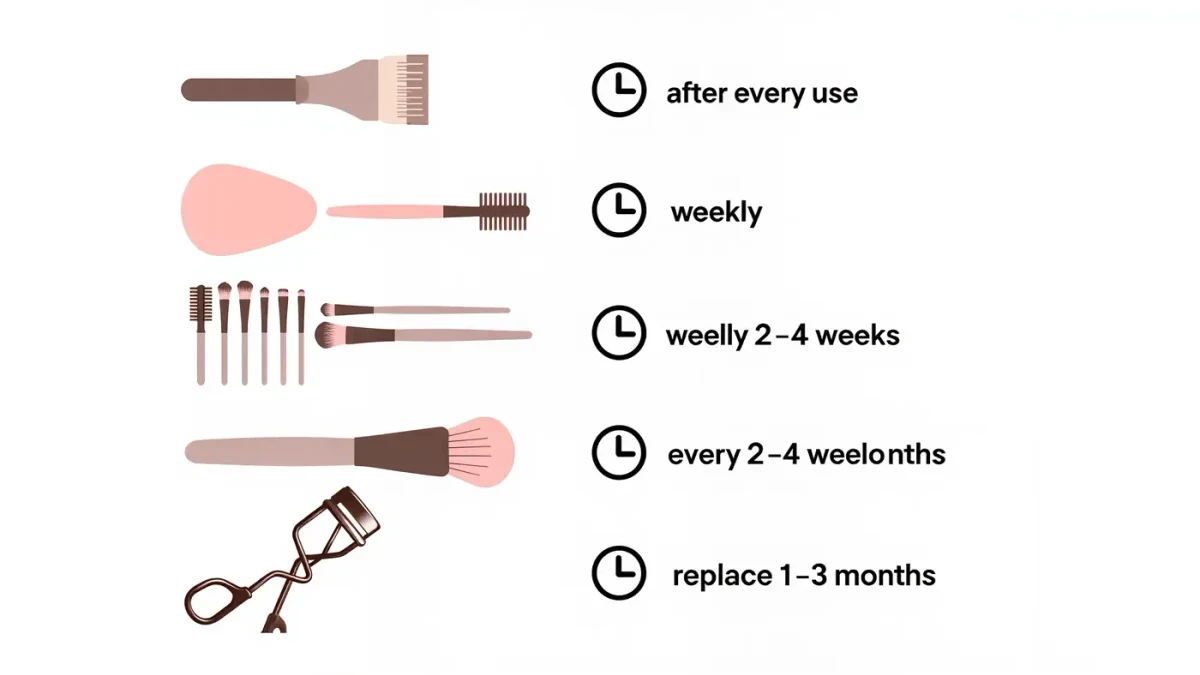
Foundation brushes weekly, eye brushes after each wet use, sponges after every session: the cleaning schedule that keeps skin calm and bristles alive.
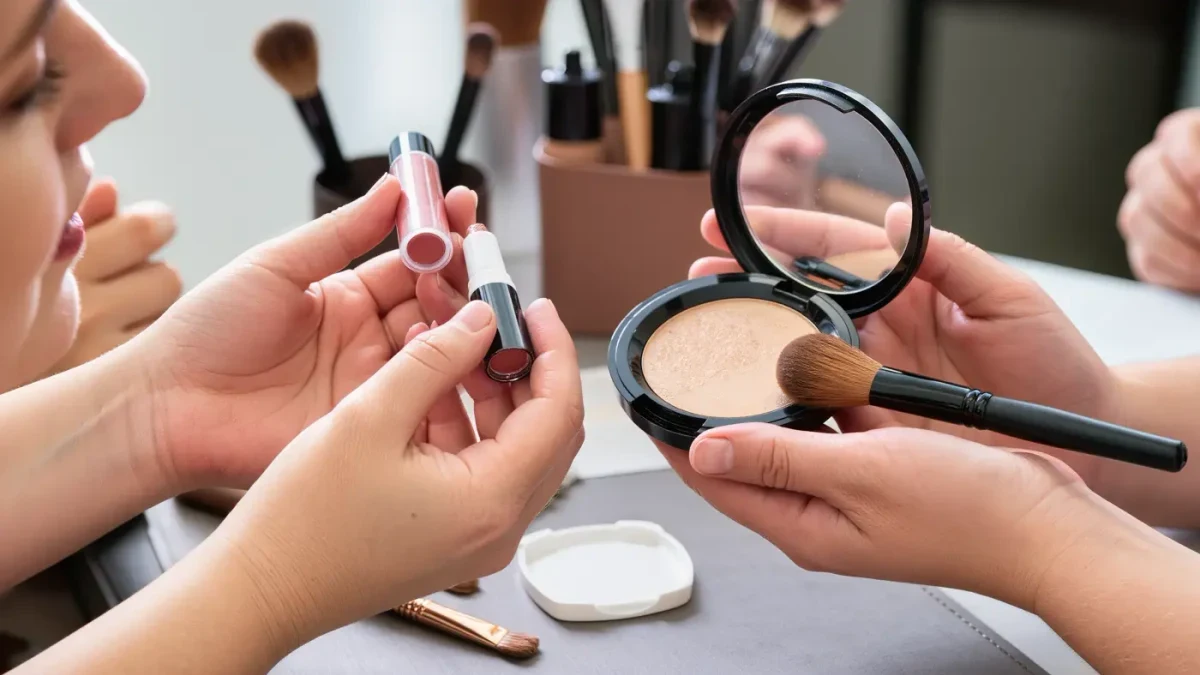
Dry skin wears cream better, oily skin holds powder — but placement, base, and layering decide more than the formula label does.