Skin care did the heavy lifting in the Estée Lauder Companies' comeback quarter. Per the company's results filed with the SEC on 5 February 2026, covering the quarter ended 31 December 2025, net sales reached $4.23 billion, up 6% reported and 4% organic, and the skin care category led at $2.05 billion, up 6% organic, driven by La Mer, the Estée Lauder brand, and The Ordinary. Net earnings swung to $162 million from a $590 million loss a year earlier.
The numbers come from the company's own earnings release, filed as Exhibit 99.1 to its Form 8-K; they are management's accounting, not an independent audit of how any cream performs.
Which skin care lines actually grew?
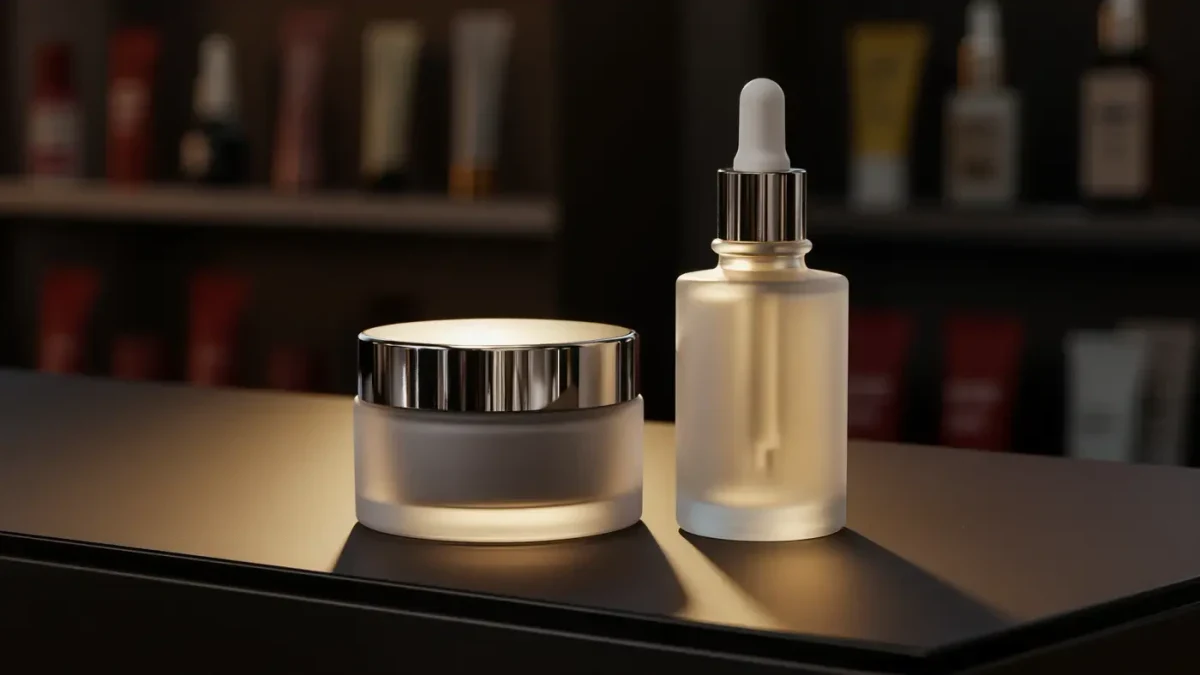
Three names, per the filing. La Mer grew on its Treatment Lotion, Crème de la Mer, and The Renewal Oil franchises around holiday shopping. The Estée Lauder brand gained from Revitalizing Supreme+, Re-Nutriv, and Advanced Night Repair innovation. The Ordinary, the company's mass-priced label, expanded consumer reach and cited its Volufiline 92% plumping serum launch. Category operating income rose 48% to $454 million.
The spread matters for label readers: growth came from both ends of the price ladder simultaneously. A $400 moisturizer and a mid-priced serum from the same portfolio rising together suggests the demand is category-wide rather than a luxury-only rebound.
How big was the turnaround overall?
Large, though partly optical. The prior-year quarter carried $861 million in impairments, which pushed it to an operating loss; this quarter's reported operating margin was 9.5%, with adjusted operating margin at 14.4%, up 290 basis points, per the company. Adjusted diluted EPS of $0.89 rose 43%. Gross margin edged up to 76.5% as Profit Recovery and Growth Plan savings largely absorbed tariff pressure.
What does the raised guidance assume?
Continued, modest growth. Management lifted fiscal 2026 expectations to 1-3% organic net sales growth and adjusted diluted EPS of $2.05 to $2.25, against $1.51 last year, per the 5 February release. The company also flagged roughly $100 million in tariff headwinds to profitability, weighted to the second half of its fiscal year, which runs to mid-2026.
For consumers, the signal is pricing pressure downstream: tariffs of that size typically surface in either list prices or promotional tightening across prestige beauty. The quarter's other takeaway is simpler. Skin care, not makeup or hair, is where this portfolio currently finds its growth, and the company's own category table, filed on 5 February 2026, says so line by line.