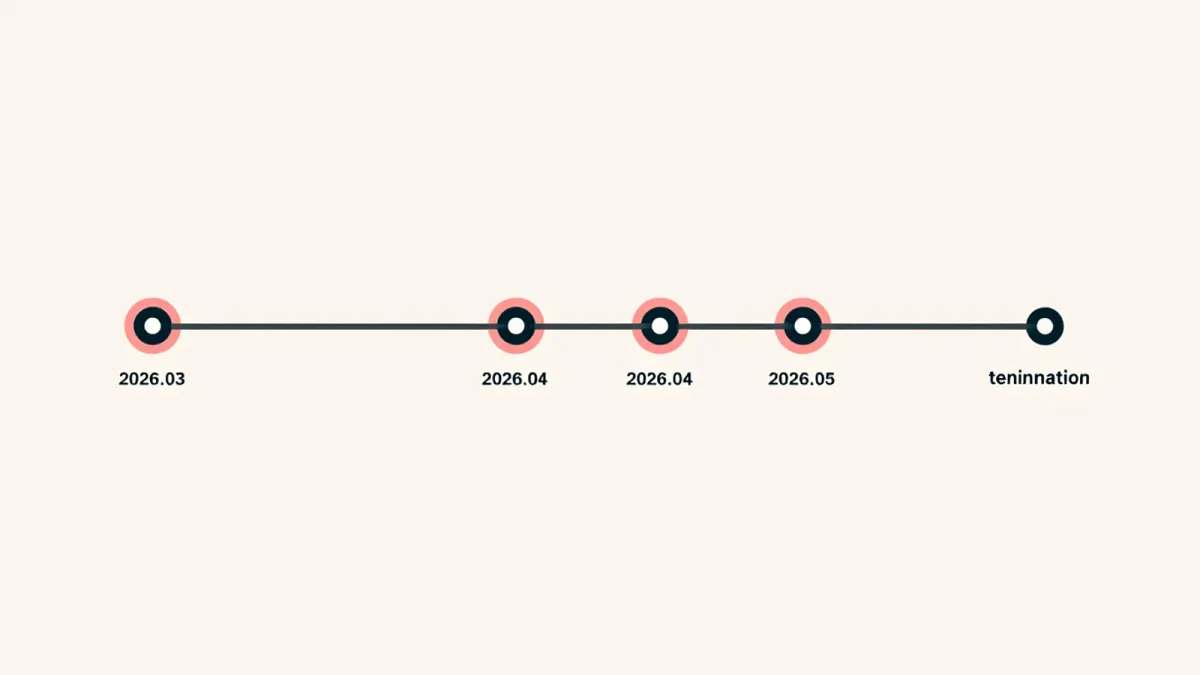
Two of prestige beauty's biggest families are exploring a combination. On 23 March 2026, the Estée Lauder Companies confirmed it is in discussions to combine with Puig, the Barcelona-based owner of Jean Paul Gaultier, Rabanne, Carolina Herrera, and Charlotte Tilbury, with no agreement reached, per Reuters. Puig confirmed the talks a day later, and coverage valued a combined group at roughly $40 billion, which would rank among the largest pure beauty companies ever assembled.
Nothing here is a done deal: talks can end without a transaction, and every figure below comes from company confirmations and Reuters' reporting of 23-24 March 2026.
What exactly was confirmed?
Discussions, not terms. Estée Lauder's 23 March statement acknowledged talks about a potential combination while stressing that no agreement had been reached, per Reuters. Puig's confirmation followed on 24 March 2026, and its shares jumped on the news, per Reuters' reporting the same day. Neither company named a price, a structure, or a timeline in those confirmations.
Why would the two sides want this?
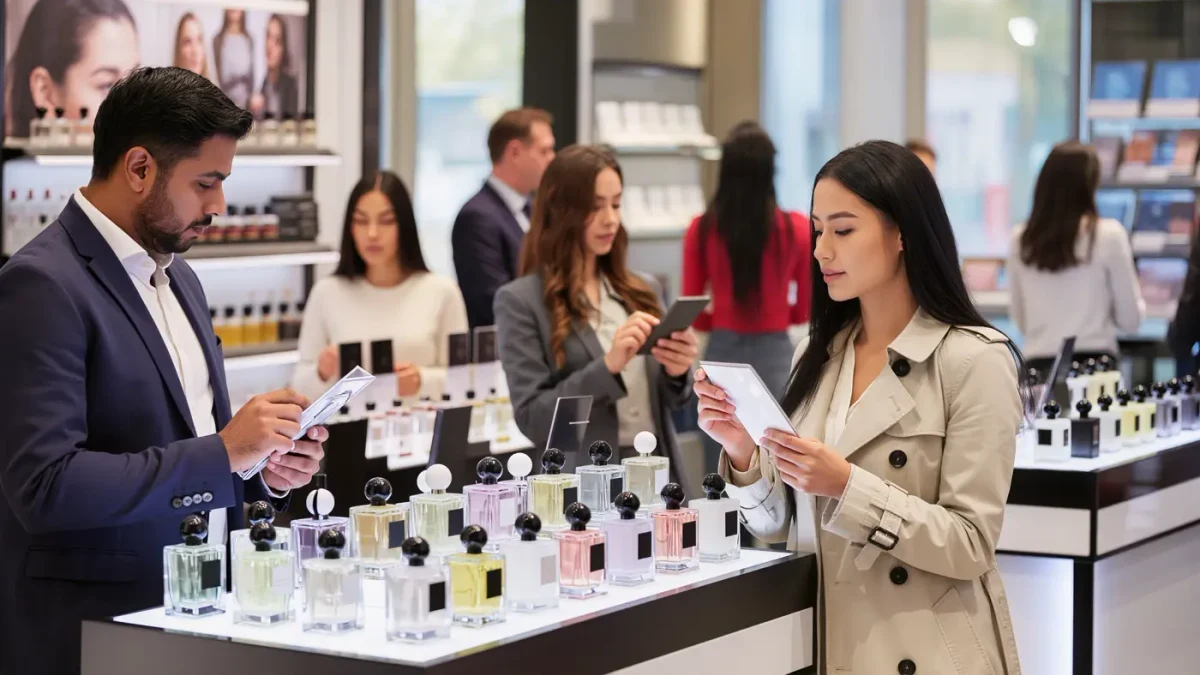
Different portfolios, complementary gaps. Estée Lauder's strength sits in skin care and makeup, with La Mer, Clinique, and M·A·C among its brands, while Puig built its name on fragrance houses and reached prestige makeup through Charlotte Tilbury. Fragrance has been beauty's fastest-growing prestige category in recent years, per industry reporting, and a combination would put Puig's licensed fashion houses and owned niche brands beside Estée Lauder's designer fragrance licenses under one roof.
For Puig, the talks also cap a difficult stretch. The company has traded publicly for about two years, and its shares had declined over that period, per Reuters' 24 March report. A merger offered shareholders a different exit than the market had been giving them.
How did markets read the news?
With suspicion on one side. Puig shares rose after its confirmation, per Reuters, while Estée Lauder shares dropped roughly 10% the day after the talks were confirmed, per Reuters' reporting. The split reaction told the story investors saw: Puig holders gained a potential premium, while Estée Lauder holders absorbed the risk of a large, complicated transaction led from a weaker share price.
What would it mean for what's on your shelf?
Probably nothing immediately. Merger discussions of this scale run for months before any closing, and antitrust review would follow any signed agreement. If a combination eventually formed, the likeliest consumer-visible change would be distribution and portfolio decisions, which brands sell, which channels get which lines, rather than formula changes. For readers who buy by ingredient list rather than corporate chart, the watch item is simple: which owner funds which brand's next launch. As of mid-April 2026, that question remains open, exactly as the companies left it on 23 and 24 March.