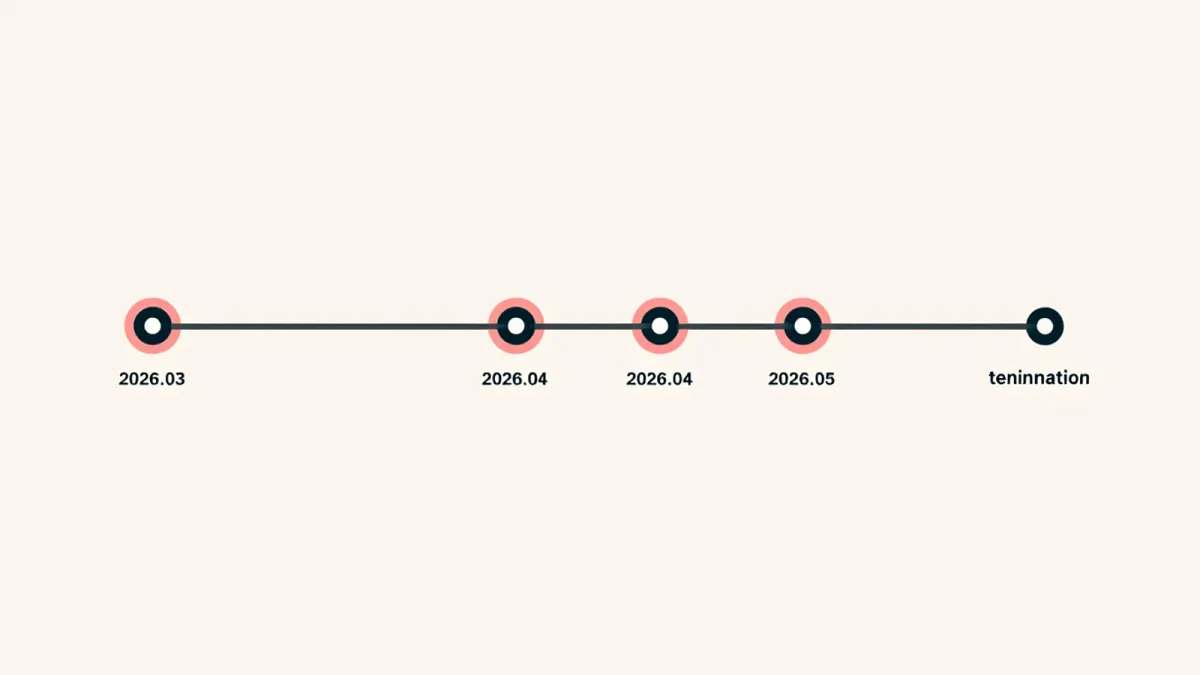
The biggest would-be deal in beauty is off. On 21 May 2026, the Estée Lauder Companies and Puig announced they had terminated discussions regarding a potential business combination, per the company's own release, and Estée Lauder shares rose over 10% in extended trading that evening, per Reuters. Puig shares fell roughly 14% in European trading the following day. Two months after confirming talks, both families walked away.
All figures here come from the companies' 21 May statements and Reuters' market reporting of 21-22 May 2026; none of it speaks to how any product performs.
Why did the talks collapse?
Control, according to Reuters' follow-up reporting of 22 May 2026, which described both founding families, the Lauder family and Barcelona's Puig family, wanting to keep a say in any combined group. That is a structural problem in a merger of two family-controlled companies: someone has to hold minority economics, and neither side would accept it, per the reporting. No valuation was publicly attached to the failed structure, though coverage of the March talks had floated a combined group of roughly $40 billion.
Why did Estée Lauder shares rise on a failed deal?
Because investors had treated the merger as a risk, not a rescue. Reuters reported on 21 May that analysts had warned the potential deal could add risks to Estée Lauder's recovery, which was still being proven after a bruising fiscal 2025. When the deal died, the market repriced that risk immediately: shares climbed over 10% after hours on 21 May and about 13% in early trading on 22 May, per Reuters, while Puig, which loses its escape route from a weak listing, dropped about 14%.
What happens to both companies now?
Separate strategies, publicly restated. Estée Lauder continues its profit-recovery plan without a transformational partner, keeping its skin care-led portfolio of La Mer, Clinique, and M·A·C. Puig remains a listed company built on fragrance houses and Charlotte Tilbury, with its shares back to trading on their own fundamentals rather than deal speculation, per Reuters' 22 May market coverage.
For consumers, the practical effect is close to zero, at least on labels. No combined entity means no portfolio reshuffles, no divestitures ordered by regulators, and no disrupted supply chains. For readers who track which corporate owner funds which brand, the 21 May announcements simply restored the map to where it stood in March: Estée Lauder brands with Estée Lauder, Puig houses with Puig, and the industry's largest merger still waiting for a different moment.