The first new American sunscreen active in decades is one step closer to a shelf near you. On 12 December 2025, the FDA issued a proposed order to add bemotrizinol, a broad-spectrum UV filter long approved in Europe and Asia, to the OTC sunscreen monograph, and the public comment period closed on 26 January 2026, per the agency. Nothing is approved yet; today the filter sits at the proposed stage.
This site publishes information, not medical or regulatory advice, so read what follows as a status report rather than a product recommendation.
What exactly did the FDA propose?
A monograph addition, not a new drug approval. Bemotrizinol would join the list of permitted active ingredients in the OTC sunscreen monograph, the rulebook that lets sunscreens sell without individual FDA approval. The proposal came via the streamlined process created by the CARES Act, which for the first time gave the agency a workable route for adding new filters. The request, per the proposed order, came from DSM Nutritional Products and covers concentrations up to 6 percent.
Why do ingredient-list readers care about this filter?
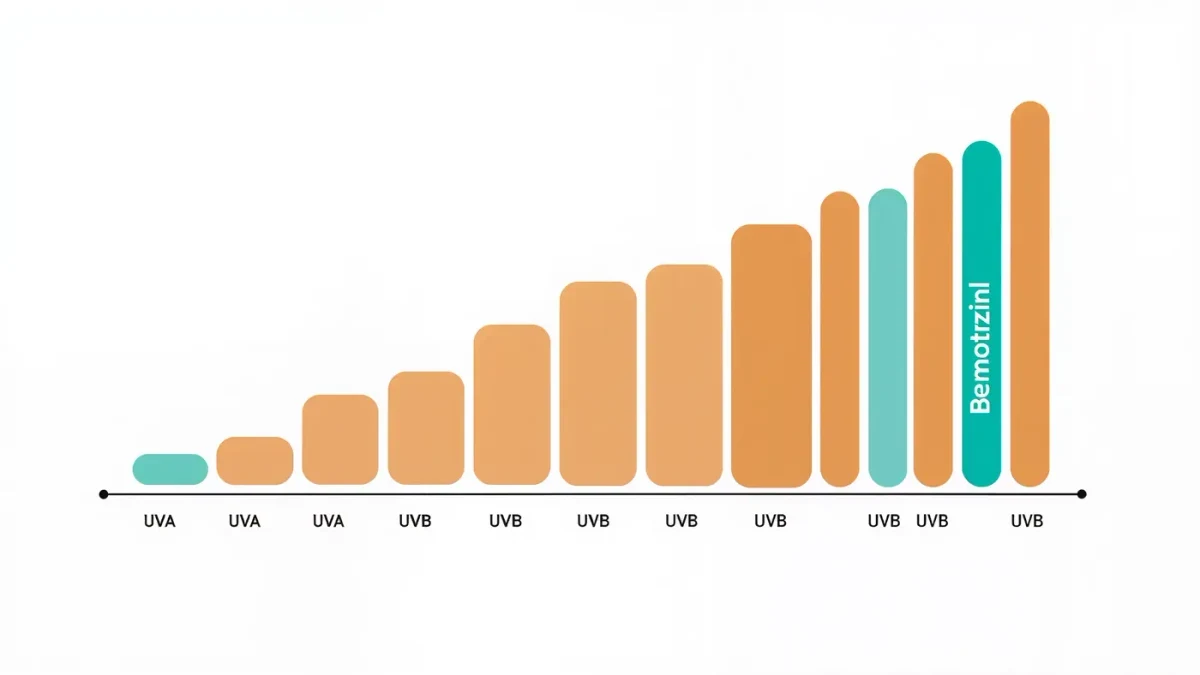
Because bemotrizinol behaves differently from the filters American labels currently offer. It is a broad-spectrum ingredient, covering both UVA and UVB, and it is photostable, meaning it does not measurably degrade as it sits on skin in sunlight, according to the published research cited in the filter's regulatory filings. It is also used at low percentages, which keeps formulas cosmetically light. European sunscreens have relied on it for years precisely because it slots into elegant textures without whitening the skin.
What the proposal does not do is change any sunscreen already on the shelf. Existing monograph filters, zinc oxide and avobenzone among them, remain exactly where they were on 11 December 2025.
When could you actually buy it?
Not this season. With the comment docket closed on 26 January 2026, the agency moves to evaluation, and sunscreen manufacturers would then need to reformulate, stabilize, and pass their own testing before a bemotrizinol sunscreen reaches American retail. The practical window, per industry filings around the proposal, is years, not months. Consumers in the meantime keep the filters they have, all of which remain GRASE-rated under the monograph.
For a readership that parses INCI lists before prices, the docket itself is worth skimming: the safety data, the exposure modeling, and the concentration ceiling of 6 percent are all in the public record, per the FDA's proposal of December 2025. Whatever the agency decides next, the reasoning will arrive in writing first.